
Powered By



Many people with type 2 diabetes are told they’ll need medication for life. While that’s often true, some people can achieve diabetes remission — when blood sugar levels return to normal or prediabetes levels without medication. However, for many people, healthy and stable blood sugar levels return only temporarily.
In this article, we’ll discuss why diabetes remission may not last and what factors are linked to long-term remission.
The American Diabetes Association provided an official definition of type 2 diabetes remission in 2021. A person is considered in remission when their A1c stays below 6.5 percent for at least three months after stopping diabetes medication. Sustained diabetes remission is confirmed through a hemoglobin A1c (HbA1c) test, which measures average blood sugar levels over time.
HbA1c levels can vary, so your healthcare provider may order additional tests to confirm remission. For example, remission may also be diagnosed if fasting plasma glucose (fasting blood sugar) is below 126 milligrams per deciliter.
Some researchers describe two types of diabetes remission — complete and partial. Complete remission means HbA1c levels are below 5.7 percent or fasting plasma glucose is below 100 milligrams per deciliter, which are considered normal results. Partial remission means blood sugar levels are high enough for a prediabetes diagnosis but not high enough for a diabetes diagnosis (HbA1c of 5.7 percent to 6.4 percent and fasting plasma glucose of 100 to 125 milligrams per deciliter).
No. People who achieve diabetes remission aren’t cured. They must continue to manage their blood sugar levels, but they do so without medication.
Diabetes remission is uncommon. A 2025 study found that just 2.9 percent of adults being treated for type 2 diabetes achieved remission. A 2014 study using a stricter definition of diabetes remission (HbA1c below 5.7 percent for one year) found that 4.6 percent of people achieved remission.
It’s important to remember that diabetes remission is a relatively new concept. It may seem uncommon partly because healthcare providers have only recently begun helping people work toward remission.
Diabetes remission can be hard to achieve and maintain, and results vary from person to person. Some people stay in remission for years, whereas others may need to restart treatments within a few months.
The 2025 study found that 36.9 percent of people who achieved diabetes remission restarted treatment within three years. In the 2014 study, nearly all participants went back on medication within five years. In a Swedish study, about 70 percent to 94 percent of people in diabetes remission relapsed within 15 years.
Some DiabetesTeam members have experienced remission. One said, “I have been diabetic for 14 years. I was in remission for a year.”
“Our senior friends are in remission — no medications, just diet and exercise,” another member shared. “One is three-plus years in remission, and the other is in remission eight-plus years.”
“I have been medication-free for months. I am doing fine with diet and exercise. My levels are good. I guess I am in diabetic remission,” a third member said.
Diabetes remission doesn’t always last because the pancreas — the organ that makes insulin — slowly stops working well in people with type 2 diabetes. Over time, blood sugar levels can rise again, and people may need to restart medications to manage their diabetes. However, some research suggests that diabetes remission may give the pancreas time to recover, which could slow disease progression.
Weight loss is the No. 1 factor linked to diabetes remission. Research shows that every 1 percent drop in body weight is tied to a 2 percent higher chance of remission.
Some people achieve weight loss and diabetes remission through bariatric surgery. One study found that 31 percent of 95 participants were in complete remission for type 2 diabetes 10 years after bariatric surgery, and 15 percent were in partial remission. Another 24 percent restarted diabetes medication after first experiencing remission.
Some types of bariatric surgery are linked to higher remission rates. Gastric bypass surgery has one of the highest rates, with 75 percent of people achieving remission.
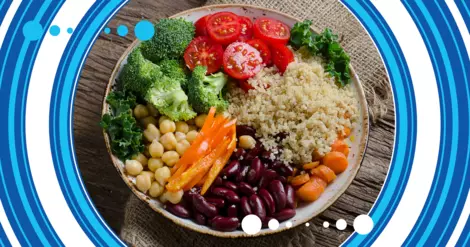
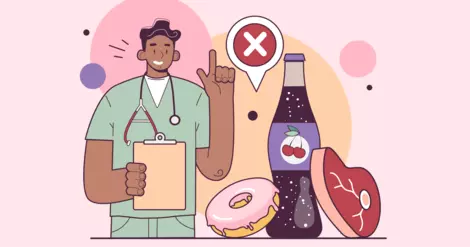
Losing weight through diet and exercise can also put you on the path toward remission. Work with a registered dietitian to make sure you’re following a healthy, sustainable diet that supports both weight loss and diabetes management.
Physical activity is also important for long-term remission because it helps the body manage glucose more effectively. A healthcare provider can recommend a workout routine that’s safe and effective for you.
The 2025 study identified several factors linked to lower remission rates, including current smoking or regular exposure to secondhand smoke. Using glucagon-like peptide 1 receptor agonists or sodium-glucose cotransporter 2 inhibitors was also associated with lower remission rates.
On the other hand, you may have a better chance of achieving or maintaining diabetes remission if you were recently diagnosed, take just one diabetes medication, and have lost weight. Study findings show that:
Researchers also found small differences in remission rates among groups defined by age and ethnicity:
These differences were modest, and overall remission remained uncommon. More research is needed to better understand how diabetes remission can be achieved and maintained.
Is diabetes remission within your reach? It may be. Everyone’s health situation is different, so talk with your diabetes specialist about what your remission could look like for you and whether it’s a reasonable goal.
Never stop taking medication without first checking with your healthcare provider. Uncontrolled diabetes can lead to serious health problems. If you are managing your diabetes with lifestyle changes and medications, you are already lowering your risk of complications and improving your chances of living a long, healthy life.
On DiabetesTeam, people share their experiences with diabetes, get advice, and find support from others who understand.
Have you achieved remission? How did you do it, and how long did it last? Let others know in the comments below.
Get updates directly to your inbox.



 Continue with Facebook
Continue with Email
Continue with Facebook
Continue with Email
Continue with Facebook
Continue with Email
Continue with Facebook
Continue with Email
Become a member to get even more





 Join
Join


 Your Privacy Choices

This is a member-feature!
Sign up for free to view article comments.
It’s a day by day challenge for me to remain in Remission and sometimes I have higher readings but it’s usually when I have had some chocolate or ice cream for a treat and my blood sugar goes up to… read more
We'd love to hear from you! Please share your name and email to post and read comments.
You'll also get the latest articles directly to your inbox.