
Powered By



 Continue with Facebook
Continue with Email
Continue with Facebook
Continue with Email
People with health conditions like diabetes tend to collect unsolicited advice the way pockets collect lint: It just shows up. Some of it is genuinely thoughtful. A lot of it isn’t. And when you’re already doing the day-to-day work of managing type 2 diabetes (T2D), the wrong kind of “help” can feel like judgment in disguise.
Sign up to view the results!
Continue with Facebook
Continue with Email
Responding to the question “What Bits of ‘Advice’ Do You Wish People Would Stop Telling You?”, more than 400 DiabetesTeam members shared the kinds of comments they wished others would stop saying and what they wish people understood.
We’ve also suggested some responses you could say in tough conversations. Of course, you should always do what you feel is best for your relationships and your health. If you’re ever unsure about advice you receive, always check with your healthcare team.

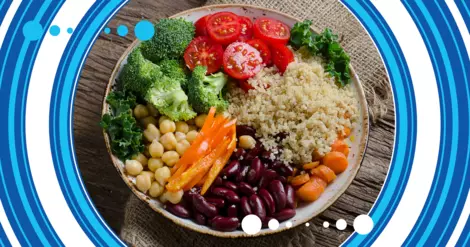
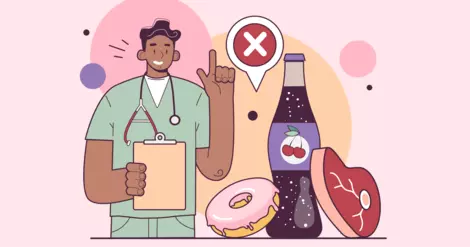
For many people with type 2 diabetes, food becomes public property the moment someone finds out about their diagnosis. Suddenly, a snack, a drink, or a restaurant order turns into a debate, often led by someone who isn’t living in your body.
One DiabetesTeam member shared the frustration of constant questioning: “‘Are you sure you can eat that?’ That’s the worst thing I hear out of people.”

Some members are tired of being told their diabetes can simply disappear if they change their diet: “I get tired of some people telling me if I watch what I eat, I can reverse and not be a diabetic anymore.”
 This one can sound harmless, but it oversimplifies a complicated condition, as if diabetes management is just about skipping dessert.
One DiabetesTeam member summed it up: “Just cut back on sugar.” Another responded with what many people are thinking: “Sure wish that was all it took!”
Some comments can feel especially clueless when they come paired with “helpful” alternatives, like this member described: “People tell me if I just stop eating sugar, I’ll be OK,” followed by “‘And look at this beautiful sugar-free cake.’”

Weight-based advice shows up constantly, and it can feel loaded with assumptions. For many people, it ignores the genetic factors of diabetes, other health conditions, medications, mobility limits, and the reality that bodies don’t all behave the same way.
One DiabetesTeam member captured the heartbreak of hearing it over and over: “‘If you would just lose weight you would be cured.’ Really? I have already lost 50 pounds, and I still have T2D.”
This kind of advice can feel especially dismissive: “I don’t appreciate being told, ‘If you only lose weight,’ as if I don’t want to lose weight or I’m not trying.”
 A lot of “advice” people with type 2 diabetes hear isn’t advice at all. It’s blame. It frames diabetes — and any related health conditions — as a personal failure, like the diagnosis is proof someone is lazy, undisciplined, or “didn’t take care of themselves.”
DiabetesTeam members said this shows up as judgment about body size, comments about “bad choices,” and comparisons to others. All of this makes it sound like willpower is the only thing that matters.
One member described the snap judgment they feel from others: “What I hate is people judging you for having diabetes. They take one look at you and the first thing they think is, ‘You got it because you’re obese.’”
Another member said the most frustrating version of this is when it’s framed as a personal failing: “I wish I could stop hearing stories from all the super diabetics who are ‘strong’ enough to go at it without support. They act like all you need is willpower. I need more than that.”
And for some, it comes as “tough love” that’s really just shaming: “‘Such a shame you didn’t eat properly. Why don’t you just stop eating so much sugar and get over it!’”

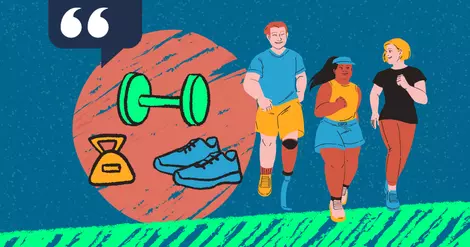
Exercise can be helpful for many people, but advice like “just go for a run” ignores pain, injuries, disability, fatigue, neuropathy, arthritis, and the fact that bodies change. For some DiabetesTeam members, this advice disregards the truth that movement can be complicated.
One member shared the reality behind the suggestion: “When I was younger, I was super fit. Now my feet and legs are damaged and it is extremely painful, but people keep on telling me to go running again.”
Another described how other health issues can limit options: “I cannot exercise because of arthritis and breathlessness and cellulitis and having had pneumonia and pleurisy twice in the last 10 years.”
 Miracle cures, “natural” fixes, and too-good-to-be-true claims can be especially frustrating. Even when someone means well, it can feel like they’re not taking your condition seriously, or like they’re suggesting you haven’t tried hard enough.
One DiabetesTeam member described the kind of “breakthrough” someone offered them: “‘Here, I saw this newspaper or magazine clipping, and it says you take this and it cures diabetes.’ Gheesh, really? You think?”
Another said the least helpful advice they receive is “suggesting a natural herb that someone thinks will cure or stop my diabetes.”
Some natural remedies may be a helpful component of a diabetes treatment plan, but that sort of guidance should come from a doctor. Even natural treatments can end up causing harm, especially in supplements when the ingredients aren’t regulated. Always let your doctor know about every vitamin, supplement, or medication you are taking.
On DiabetesTeam, people share their experiences with diabetes, get advice, and find support from others who understand.
What kind of unhelpful advice do you receive about diabetes? How do you respond? Let others know in the comments below.
Get updates directly to your inbox.


Is drinking beer bad for diabetes
 Continue with Facebook
Continue with Email
Continue with Facebook
Continue with Email
Continue with Facebook
Continue with Email
Continue with Facebook
Continue with Email
Become a member to get even more





 Join
Join



 Your Privacy Choices

This is a member-feature!
Sign up for free to view article comments.
Many of us here have multiple diagnoses and are dealing with far worse than diabetes. Diabetes sucks. But it can be controlled by eating right, with portion control, with exercise if your doctors… read more
We'd love to hear from you! Please share your name and email to post and read comments.
You'll also get the latest articles directly to your inbox.