... Outside of rare cases, black coloration of the nails has not been reported as a common side effect of diabetes medications.If you recently started a new medication and notice a new symptom or side effect such as black toenails, consult your health care provider for medical advice. ...
Black Toenails With Diabetes: 5 Possible Causes
... Outside of rare cases, black coloration of the nails has not been reported as a common side effect of diabetes medications.If you recently started a new medication and notice a new symptom or side effect such as black toenails, consult your health care provider for medical advice. ...
... You may also notice the development of open sores on the feet due to poor circulation. If left untreated, it may lead to gangrene (death of body tissue) and require amputation (removal) of the affected toe, foot, or leg.Increased Risk of InfectionNerve damage from type 2 diabetes also increases the risk of developing infections. ...
Signs and Symptoms of Type 2 Diabetes
... You may also notice the development of open sores on the feet due to poor circulation. If left untreated, it may lead to gangrene (death of body tissue) and require amputation (removal) of the affected toe, foot, or leg.Increased Risk of InfectionNerve damage from type 2 diabetes also increases the risk of developing infections. ...
... Let your doctor or diabetes care team know if you notice anything unusual. They can help you take steps to promote better healing and prevent infections.A dark spot on your foot could be a diabetic ulcer. Check your legs and feet regularly for cuts, blisters, or spots that don’t look right. ...
Why Diabetes Can Cause Dark Spots on Your Legs
... Let your doctor or diabetes care team know if you notice anything unusual. They can help you take steps to promote better healing and prevent infections.A dark spot on your foot could be a diabetic ulcer. Check your legs and feet regularly for cuts, blisters, or spots that don’t look right. ...
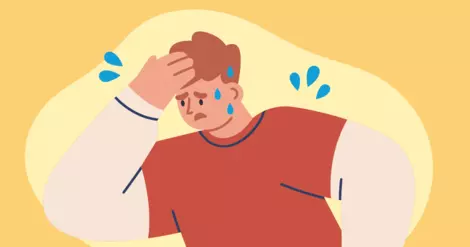
... Sweating more commonly occurred over the entire body in people without diabetes, while sweating tended to be only on the head and upper body in those with diabetes.Other Causes of Excess SweatingThere may also be other reasons for your excessive sweating. Some diabetes medications, such as insulin, can cause sweating as a side effect. ...
Why Does Diabetes Cause Excess Sweating?
... Sweating more commonly occurred over the entire body in people without diabetes, while sweating tended to be only on the head and upper body in those with diabetes.Other Causes of Excess SweatingThere may also be other reasons for your excessive sweating. Some diabetes medications, such as insulin, can cause sweating as a side effect. ...
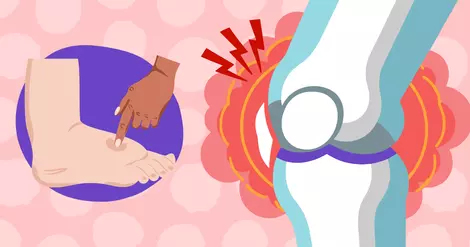
... On the other hand, treatment of periodontal disease may improve glycemic control.Talk to a DoctorIf you notice any new symptoms or wonder if a longstanding symptom is related to diabetes, talk to a healthcare provider. ...
10 Rare Diabetes Symptoms: Pain, Swelling, and More
... On the other hand, treatment of periodontal disease may improve glycemic control.Talk to a DoctorIf you notice any new symptoms or wonder if a longstanding symptom is related to diabetes, talk to a healthcare provider. ...
... People with cataracts may first notice blurred vision. Cataracts may also give bright colors a dull or yellow hue. Cataracts that affect the entire lens can lead to blindness. People with diabetes can develop cataracts faster and at younger ages. Eyeglasses can treat some vision problems caused by cataracts. ...
7 Ways Diabetes Can Affect Your Eyes: Glaucoma, Cataracts, and More
... People with cataracts may first notice blurred vision. Cataracts may also give bright colors a dull or yellow hue. Cataracts that affect the entire lens can lead to blindness. People with diabetes can develop cataracts faster and at younger ages. Eyeglasses can treat some vision problems caused by cataracts. ...
... People with seborrheic dermatitis react to a specific yeast found on their skin, which can lead to fungal infections that give off a cheesy smell.If you notice an unusual smell from inside or behind your ears, along with pain, itching, or discoloration, talk to your doctor. ...
Smell Behind Ears: Diabetes-Related or Something Else?
... People with seborrheic dermatitis react to a specific yeast found on their skin, which can lead to fungal infections that give off a cheesy smell.If you notice an unusual smell from inside or behind your ears, along with pain, itching, or discoloration, talk to your doctor. ...
... Eating a large dinner or foods that raise your blood glucose too much at night can cause blood glucose levels to stay high until morning, and in some cases might contribute to insomnia (trouble sleeping). ...
What Should Your Blood Sugar Be in the Morning?
... Eating a large dinner or foods that raise your blood glucose too much at night can cause blood glucose levels to stay high until morning, and in some cases might contribute to insomnia (trouble sleeping). ...
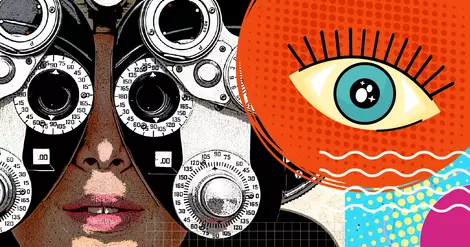
... Visual Field TestA visual field test looks at how wide you can see when your eyes are focused straight ahead. This test helps your doctor see how well your retina and optic nerve are doing and can also screen for glaucoma. ...
7 Eye Exams for Diabetes To Know About
... Visual Field TestA visual field test looks at how wide you can see when your eyes are focused straight ahead. This test helps your doctor see how well your retina and optic nerve are doing and can also screen for glaucoma. ...
... Avoid Alcohol and Caffeine Before BedAlcohol, nicotine, and caffeine can prevent you from falling or staying asleep throughout the entire night. Avoid caffeine in the afternoon or early evening because it stays in your system for a while after you consume it.It’s recommended to stop drinking caffeine at least eight hours before bedtime. ...
Does Diabetes Affect Sleep: 6 Tips for Better Rest
... Avoid Alcohol and Caffeine Before BedAlcohol, nicotine, and caffeine can prevent you from falling or staying asleep throughout the entire night. Avoid caffeine in the afternoon or early evening because it stays in your system for a while after you consume it.It’s recommended to stop drinking caffeine at least eight hours before bedtime. ...










 Join
Join