
Powered By



You know high blood sugar makes you feel tired and thirsty, but could high blood sugar also have something to do with that recurrent stomach pain, those spots on your legs, or those new cavities? It’s best to consult a healthcare provider to rule out other issues, but if you have diabetes, many health concerns can be traced back to it. Below, we’ll take a look at 10 rare or overlooked symptoms of diabetes that can affect people with type 1 and type 2.
Elevated blood sugar levels can damage nerves over time. This condition is known as diabetic neuropathy, and it can cause varying degrees of pain. Some people feel numbness, while others notice a pins-and-needles or tingling feeling. Others report more intense pain, cramping, or muscle weakness. In some cases, even a light touch causes pain. One DiabetesTeam member said, “I will move and the pain will come back. Left foot mostly and also the right wrist.”
In people with diabetes, nerve damage tends to occur in the feet and legs first and the hands and arms are typically affected next. The thighs, hips, and buttocks can also become painful, often on one side only. Occasionally, the damage and pain radiate to the abdomen and chest.
In some people, the damage affects the nerves responsible for certain bodily functions, including:
This nerve damage can lead to abdominal pain, constipation, feeling overheated, painful sex, and other symptoms.
High blood sugar can cause kidney damage, which may lead to swelling in the face, hands, and feet. The kidneys control the amount of fluid in your body, so edema (swelling) suggests the kidneys are struggling to flush excess fluid. A DiabetesTeam member said, “I am feeling OK, but my feet are swollen and itching a lot.”
Swelling can also occur when blood vessels are damaged. Fluid can leak out of the damaged vessels into the surrounding tissue, causing poor blood circulation that slows the body’s immune response and increases the risk of infection. This is why frequent infections and slow-healing cuts and sores are also signs of diabetes.
When the blood vessels in your skin become damaged, they can’t efficiently deliver the nutrients and germ-fighting white blood cells that keep your skin healthy.
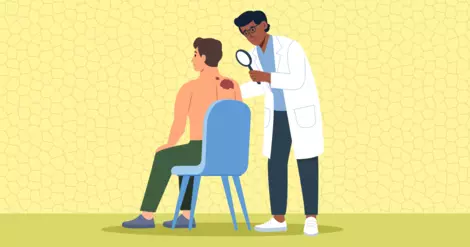
In people with diabetes, this damage can manifest as diabetic dermopathy, or shin spots. These typically look like small, dark patches on the shins that sometimes appear indented. Other areas of the body can also be affected. Fortunately, shin spots are mainly a cosmetic issue. They don’t itch or become infected.
Acrochordons (skin tags) are small growths that move around when you touch them. They can be associated with too much insulin in the blood. Excessive blood insulin is more common in type 2 diabetes than in type 1. Because people with type 2 diabetes have trouble using insulin efficiently, the pancreas continues to produce it until blood glucose levels decrease. In type 1 diabetes, high doses of insulin may be required to manage blood sugar levels. Both scenarios may trigger the growth of skin tags.
However, the appearance of skin tags on its own doesn’t necessarily indicate diabetes. Friction, genetics, a higher body weight, and other medical conditions are also known to cause skin tags, which tend to be harmless but can be removed for cosmetic reasons.
High levels of insulin in your blood may also cause dark, velvety patches of skin to appear on your neck, armpit, groin, or under the breasts. Known as acanthosis nigricans, this skin condition sometimes appears alongside skin tags, and it may cause foul odors or itchiness. Hormonal conditions, genetics, and certain medications may also cause acanthosis nigricans.
Insulin also plays a role in helping the body break down fats known as triglycerides. People with diabetes can sometimes develop extremely high levels of triglycerides in their blood due to insulin resistance. The excess fat can end up underneath the skin, causing a bumpy rash known as eruptive xanthomatosis.
The pea-sized bumps tend to feel waxy and firm, and they may be discolored. Sometimes a dark ring appears around each bump. They can feel tender and itchy, but they aren’t contagious or infected. They should disappear within several weeks once triglyceride levels are lowered.
Excess fat in your blood can also cause yellow patches on the eyelids or under the eyes, known as xanthelasma. The patches may be raised or flat and soft or hard, but they’re always yellowish in color. High cholesterol, thyroid problems, and alcohol consumption can also cause xanthelasma.
Research suggests that blood sugar levels can affect moods and emotions. Unusual feelings of tension, anger, or sadness may be related to high blood sugar, while low blood sugar may cause nervousness. Some studies have also linked depression and anxiety to poorly controlled diabetes.
A DiabetesTeam member said, “I’ve been having massive mood swings lately! Enough to drive a sane person insane!!! I have only recently discovered that diabetes can cause this. I just have to ride it through with wonderful support from my husband.”
Living with diabetes quadruples your risk of hearing loss. Researchers estimate that 41 percent to 72 percent of people with diabetes have hearing loss compared to about 13 percent of the general U.S. population.
Higher blood sugar levels may predict a more severe degree of hearing loss. One theory suggests that chronic (long-term) high blood sugar damages the tiny blood vessels in the ears, sparking a chain reaction that ultimately damages the structures responsible for sound transduction. That means the ears struggle to convert sound waves into electrical signals, which is how the brain interprets sound.
There’s also some evidence that diabetes may accelerate normal age-related hearing loss.
A DiabetesTeam member said, “My kidneys are bad and I’ve lost 80 percent of my hearing. It’s important to take your diet seriously!!”
High blood sugar impairs your body’s natural defenses, making your mouth more susceptible to problems like cavities, gum disease, tooth loss, and infections like thrush. You may notice that sores inside your mouth take a long time to heal or that your mouth feels uncomfortably dry. One DiabetesTeam member noticed this symptom, “My mouth becomes dry so I must keep my mouth shut and not talk.”
Saliva is supposed to coat your teeth to remove food particles, slow the growth of bacteria, and protect against acid. When you have diabetes or take certain diabetes medications, saliva production slows down. The amount of sugar in your saliva also increases.
This produces a snowball effect. Bacteria feed on the extra sugar and release acid as a byproduct of their digestion. Less saliva in the mouth means the teeth and gums aren’t protected from the acid, which causes tooth decay.
Meanwhile, the bacteria multiply and meld with food particles to form plaque, which can lead to cavities. When bacteria infect the gums, gingivitis (gum inflammation) and periodontitis (gum disease) occur. Because diabetes damages blood vessels and white blood cells, the body can’t react to these infections very effectively. Poorly controlled diabetes may be a risk factor for increased severity of gum disease. On the other hand, treatment of periodontal disease may improve glycemic control.
If you notice any new symptoms or wonder if a longstanding symptom is related to diabetes, talk to a healthcare provider. Although diabetes causes many symptoms, it’s important to rule out other underlying conditions that may impact your quality of life.
On DiabetesTeam, people share their experiences with diabetes, get advice, and find support from others who understand.
What symptoms of diabetes have surprised you the most? Let others know in the comments below.
Get updates directly to your inbox.



 Continue with Facebook
Continue with Email
Continue with Facebook
Continue with Email
Continue with Facebook
Continue with Email
Continue with Facebook
Continue with Email
Become a member to get even more





 Join
Join




 Your Privacy Choices

This is a member-feature!
Sign up for free to view article comments.
I found out that some of my health problems has diabetes attached to them.
We'd love to hear from you! Please share your name and email to post and read comments.
You'll also get the latest articles directly to your inbox.