... However, there’s no clear evidence of this happening for the class of antibiotics that includes amoxicillin/clavulanate potassium.Your blood sugar could also fall if you’re eating less while ill or if your body starts using insulin more effectively as the infection clears. ...
Does Augmentin Raise Blood Sugar? What To Know
... However, there’s no clear evidence of this happening for the class of antibiotics that includes amoxicillin/clavulanate potassium.Your blood sugar could also fall if you’re eating less while ill or if your body starts using insulin more effectively as the infection clears. ...
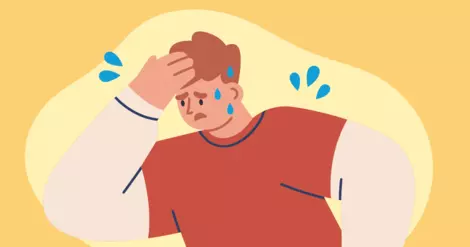
... Sweating more commonly occurred over the entire body in people without diabetes, while sweating tended to be only on the head and upper body in those with diabetes.Other Causes of Excess SweatingThere may also be other reasons for your excessive sweating. Some diabetes medications, such as insulin, can cause sweating as a side effect. ...
Why Does Diabetes Cause Excess Sweating?
... Sweating more commonly occurred over the entire body in people without diabetes, while sweating tended to be only on the head and upper body in those with diabetes.Other Causes of Excess SweatingThere may also be other reasons for your excessive sweating. Some diabetes medications, such as insulin, can cause sweating as a side effect. ...
... These symptoms often show up on the back of the neck but can also appear in other parts of the body, like the knees.Acanthosis nigricans can be an early warning of prediabetes or insulin resistance (when your body has trouble using insulin properly). ...
Why Diabetes Can Cause Dark Spots on Your Legs
... These symptoms often show up on the back of the neck but can also appear in other parts of the body, like the knees.Acanthosis nigricans can be an early warning of prediabetes or insulin resistance (when your body has trouble using insulin properly). ...
... For example, the FreeStyle Optium Neo website includes illustrations and videos that walk you through the process of using the device.The TakeawayIf you’re interested in continuous glucose monitoring and want to avoid finger sticks, the FreeStyle Libre may be a better fit. ...
... Increased blood sugar levels also make it easier for bacteria to grow.Common infections that develop in people with diabetes include: Urinary tract infections Fungal infections in the nose and throat Ear infections Skin infections on the hands and feet Checking your skin daily and using proper hygiene can help prevent infections. ...
Signs and Symptoms of Type 2 Diabetes
... Increased blood sugar levels also make it easier for bacteria to grow.Common infections that develop in people with diabetes include: Urinary tract infections Fungal infections in the nose and throat Ear infections Skin infections on the hands and feet Checking your skin daily and using proper hygiene can help prevent infections. ...
... References Diabetes Risk Factors — Centers for Disease Control and Prevention Genetics of Diabetes — American Diabetes Association Diabetes 2030: Insights From Yesterday, Today, and Future Trends — Population Health Management Genetics of Type 2 Diabetes — Diabetes in America What Are Genome-Wide Association Studies? ...
Is Type 2 Diabetes Genetic? Causes, Risk Factors, and Prevention
... References Diabetes Risk Factors — Centers for Disease Control and Prevention Genetics of Diabetes — American Diabetes Association Diabetes 2030: Insights From Yesterday, Today, and Future Trends — Population Health Management Genetics of Type 2 Diabetes — Diabetes in America What Are Genome-Wide Association Studies? ...
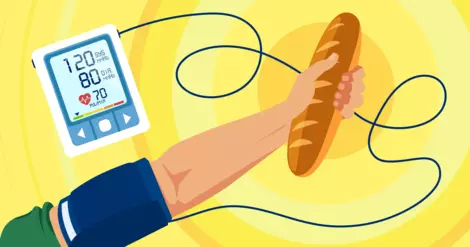
... Again, this study included a wide range of participants, not just those with diabetes.These studies suggest that eliminating carbohydrates entirely may not be necessary to manage blood pressure. You just have to consume the right types at the right amount for you. ...
How Do Carbs Affect Blood Pressure in Diabetes?
... Again, this study included a wide range of participants, not just those with diabetes.These studies suggest that eliminating carbohydrates entirely may not be necessary to manage blood pressure. You just have to consume the right types at the right amount for you. ...
... Usually, a one-time injury such as stubbing your toe will get better on its own, but repeated trauma could affect the entire nail.If you have a blackened toenail or another toe abnormality — whether or not it’s causing pain — see a podiatrist or your primary care doctor. ...
Black Toenails With Diabetes: 5 Possible Causes
... Usually, a one-time injury such as stubbing your toe will get better on its own, but repeated trauma could affect the entire nail.If you have a blackened toenail or another toe abnormality — whether or not it’s causing pain — see a podiatrist or your primary care doctor. ...
... Low levels of magnesium are linked to a wide range of chronic diseases, including: High blood pressure Cardiovascular (heart and blood vessels) disease Type 2 diabetes Migraines Osteoporosis (loss of bone tissue causing fragile bones) Alcoholism Magnesium deficiency is a double-edged sword — not only does it increase the risk of chronic diseases, but ...
Magnesium for Diabetes: Does It Help?
... Low levels of magnesium are linked to a wide range of chronic diseases, including: High blood pressure Cardiovascular (heart and blood vessels) disease Type 2 diabetes Migraines Osteoporosis (loss of bone tissue causing fragile bones) Alcoholism Magnesium deficiency is a double-edged sword — not only does it increase the risk of chronic diseases, but ...
... Avoid Alcohol and Caffeine Before BedAlcohol, nicotine, and caffeine can prevent you from falling or staying asleep throughout the entire night. Avoid caffeine in the afternoon or early evening because it stays in your system for a while after you consume it.It’s recommended to stop drinking caffeine at least eight hours before bedtime. ...
Does Diabetes Affect Sleep: 6 Tips for Better Rest
... Avoid Alcohol and Caffeine Before BedAlcohol, nicotine, and caffeine can prevent you from falling or staying asleep throughout the entire night. Avoid caffeine in the afternoon or early evening because it stays in your system for a while after you consume it.It’s recommended to stop drinking caffeine at least eight hours before bedtime. ...










 Join
Join