
Powered By



Hypertension (high blood pressure) is a common issue in people with diabetes. In fact, if you have diabetes, you’re twice as likely to develop high blood pressure compared to someone without the condition. Many people with hypertension need to take prescription medications to help keep their blood pressure under control.
If you have diabetes, you’re more likely to have high blood pressure because of the damage the condition does to your blood vessels and kidneys. Over time, diabetes can scar your kidneys and reduce their ability to function properly. This can cause your body to retain more salt, water, and waste products, which can eventually cause high blood pressure.
The American Diabetes Association usually recommends reducing salt intake, losing weight, and exercising more to help manage high blood pressure. But some studies suggest that changing your carbohydrate consumption may also be useful. This is because eating a lot of carbs or carbs with a higher glycemic index (more rapidly absorbed into the bloodstream) has been shown to increase blood pressure.
Here’s what you need to know about the impact of carbs on your blood pressure. You’ll also discover how to choose the right carbohydrates for better blood pressure and blood sugar control.
When you eat carbohydrates, your body breaks them down and turns them into glucose (or sugar) that enters your bloodstream. If you have diabetes, this sugar stays in your bloodstream longer than it does for someone without diabetes. That leads to a rise in your blood glucose levels, also referred to as blood sugar. This irritates your blood vessels, causing them to become inflamed and making it harder for your blood to flow properly. Eventually, this leads to high blood pressure.
Some researchers believe limiting your carbohydrate intake may actually help improve blood pressure. One study looked at the impact of adopting a diet lower in carbohydrates and higher in fiber. After a few weeks, participants had lower blood pressure. The researchers found that systolic blood pressure decreased by 1.1 mmHg and diastolic blood pressure decreased by 1.3 mmHg. (Systolic blood pressure is the top number in the blood pressure reading and diastolic blood pressure is the bottom number.) Keep in mind that this study looked mostly at people without chronic conditions like diabetes.
Another study found that both eating too many carbohydrates and eating too few carbohydrates can cause an increase in blood pressure. Interestingly, people in the study who ate too few high-quality carbohydrates were at just as much risk for high blood pressure as those who ate too many low-quality carbs. Again, this study included a wide range of participants, not just those with diabetes.
These studies suggest that eliminating carbohydrates entirely may not be necessary to manage blood pressure. You just have to consume the right types at the right amount for you. Only you and your doctor (along with input from your dietitian) can decide which eating plan works best for you.
Eating a high-carbohydrate diet, including refined sugars and processed foods, can cause your body to produce high levels of insulin. This can lead to fat storage, and may eventually make it hard for your cells to respond to insulin. This is referred to as insulin resistance. As time goes on, insulin resistance can lead to unintended weight gain or obesity.
Obesity, in particular, has been linked to high blood pressure. As many as 65 percent to 78 percent of people with hypertension also have obesity. Some research suggests that cutting carbs and replacing them with healthy fats could increase your metabolism. This may allow you to burn more calories than you would on a high-carb, low-fat diet.
Not all carbohydrates are the same. In fact, there are three different types of carbs — starch, fiber, and sugar — and they all affect your body differently. Starches usually include corn, potatoes, beans, and wheat bread or pasta. Fiber includes plants like fruits, vegetables, and quinoa. Fiber and starches are complex carbohydrates. Meanwhile, sugar is a simple carbohydrate, and is typically used in products like baked goods, sweets, candy, and soda.
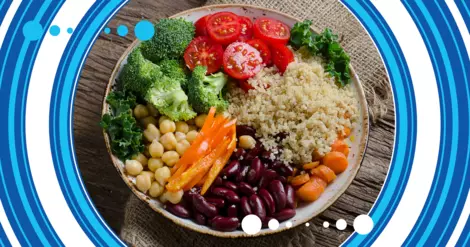
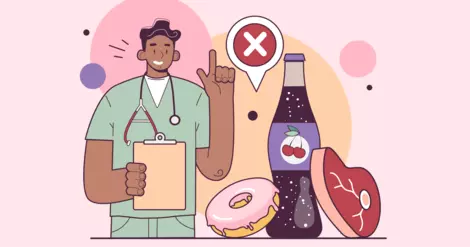
The key to healthy eating and controlling your blood pressure is to choose whole, minimally processed carbs when putting together a meal plan. These foods will provide more vitamins and minerals and are digested more slowly. They’re also less likely to cause a spike in your blood glucose levels than more refined carbohydrates like baked goods, white rice, or white bread.
Good choices include nonstarchy vegetables like green beans, broccoli, lettuce, and cucumbers. These foods have a lot of fiber and very few carbohydrates. They should take up half of your plate. You can also add starchy fruits and vegetables like blueberries, strawberries, brown rice, whole grains, wheat bread, oatmeal, corn, sweet potatoes, and beans. Keep these to about one-quarter of your plate. Meanwhile, try to limit highly processed carbs or foods with added sugar like white bread, white rice, sugary cereal, cookies, and chips. These foods quickly turn to sugar in your body and can raise both blood pressure and blood sugar.
Figuring out how many carbs you should eat each day requires input from your healthcare provider or a registered dietitian, as well as some trial and error. These medical professionals can guide you on the right mix of lean meats, healthy fats, fiber, and carbohydrates to eat each day. Once you’ve settled on how many carbs you should be eating based on your age, weight, and activity level, you may want to experiment with how your body responds.
Start by measuring your blood sugar before a meal. Then, note how many carbs you ate. After that, wait one or two hours and then measure your blood sugar again. This will give you an idea of how your body responds to carbs. You’ll also be able to see whether you experienced a spike in blood sugar. This may help you decide whether to change the type of carbs you’re eating or reduce the amount.
While it may be tempting to eliminate carbs to reduce your blood sugar level, keep in mind that carbohydrates are what give you energy. Instead of cutting them from your diet altogether, try picking different carbs or adjusting the quantity you’re eating. Maintain regular communication with your dietitian or healthcare provider so they can guide you on the best path to take. As your blood sugar levels stabilize and your blood pressure decreases, your medications may need to be adjusted.
On DiabetesTeam, people share their experiences with type 2 diabetes, get advice, and find support from others who understand.
How do you balance your carbohydrate intake? Let others know in the comments below.
Get updates directly to your inbox.


Does bladder infection cause by diabetic medicine

 Continue with Facebook
Continue with Email
Continue with Facebook
Continue with Email
Continue with Facebook
Continue with Email
Continue with Facebook
Continue with Email
Become a member to get even more





 Join
Join


 Your Privacy Choices

This is a member-feature!
Sign up for free to view article comments.
This really shows how connected everything can be, blood sugar, kidneys, and blood pressure all affect each other. Small changes like diet, movement, and carb choices can build up over time and make a… read more
We'd love to hear from you! Please share your name and email to post and read comments.
You'll also get the latest articles directly to your inbox.