
Powered By



 Continue with Facebook
Continue with Email
Continue with Facebook
Continue with Email
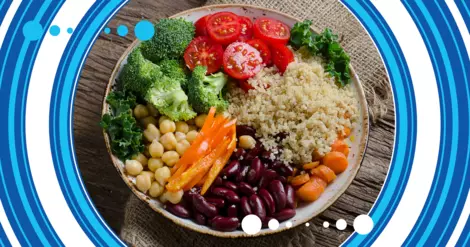
Managing type 2 diabetes and hypertension (high blood pressure) can feel overwhelming, including when it’s time to grocery shop. Fortunately, deciding what to eat doesn’t need to be hard. Many of the same foods that are good for diabetes are also heart-healthy.
Ultimately, nothing is totally off limits with diabetes and high blood pressure. But shifting your food choices in the right direction can lead to significant health benefits. Here are some foods to reduce and ideas for replacing them.
High blood pressure is already a common condition. People with diabetes have double the risk of developing it. When a person has diabetes and high blood pressure at the same time, they have a four-times higher chance of developing heart disease.
Type 2 diabetes and high blood pressure both affect the blood vessels. Over time, high blood glucose (sugar) from diabetes can damage the lining of blood vessels.
This damage makes the vessels less flexible and more likely to become narrowed. Narrow blood vessels raise the pressure of blood flowing through them.
Healthy lifestyle choices can help prevent complications, like vision problems, kidney disease, and stroke.
There are a couple of goals to keep in mind with diabetes and hypertension. First, you want to avoid sugary foods that promote high blood sugar. Second, you need to watch out for high-sodium (salt) foods that raise blood pressure.
Here are some examples that fall into those categories.
Refined carbohydrates are processed foods that can raise blood sugar fast. They’re often missing fiber and other key nutrients the body needs.
In addition, foods with refined carbs can also be high in added sugar and sodium.
Examples of foods that may contain refined carbohydrates include:
Replacing the refined carbs in your diet with whole grains can help keep blood sugar stable. Foods like oatmeal, popcorn, brown rice, and whole-grain crackers are some good options, especially when they aren’t heavily sweetened or salted.
Maintaining a healthy weight is essential for diabetes and high blood pressure. The fiber in whole grains supports weight management.
Fiber is especially beneficial for people with high blood pressure because it also lowers cholesterol levels and reduces inflammation, both key risk factors for heart attack and stroke.
Drinking sugary drinks is one of the fastest ways to raise blood sugar levels. Regular soda, sweetened teas, energy drinks, and fruit drinks often contain large amounts of added sugar.
Avoiding sugary drinks is a top recommendation for preventing heart disease, but sometimes it’s easier said than done.
If drinking sweetened beverages has become a habit, take steps to cut back. Try diluting drinks with ice, club soda, or regular water.
You can also set specific goals, such as cutting down from two cans per day to one or having them only on weekends.
Plant-based diets are generally considered more heart-healthy than diets that include more animal-based foods, particularly when those foods include processed meats.
Saturated fat in meat is considered a risk factor for heart disease. Additionally, the high sodium content in foods like sausages and bacon can affect blood pressure readings almost immediately.
Though most people realize that too much meat can cause heart problems, meat’s connection to diabetes isn’t always discussed. It turns out that processed meat also raises the risk of type 2 diabetes. With each serving of processed meat per day, the risk of type 2 diabetes goes up by 46 percent.
Switching to less-processed meat (like choosing a grilled steak over a hot dog or fast-food hamburger) helps. But unprocessed red meat intake still raises the risk of diabetes. You can balance this risk by getting some of your protein from plant foods, such as nuts and lentils.
Crispy, deep-fried foods often combine salt, saturated fat, and refined flour in one dish. For people with diabetes and high blood pressure, that’s a good reason to be cautious of fried foods.
As mentioned above, salt raises blood pressure, refined flour raises blood sugar, and saturated fat isn’t good for diabetes or heart health. You can cut back on deep-fried foods by choosing healthier alternatives at home and at restaurants.
If you choose to have an occasional fried meal, share it with a friend and limit your portion sizes.
You can make healthier versions of fried fish or chicken by using low-sodium, whole-grain breadcrumbs and baking them in the oven. Air fryers are another popular kitchen tool to get that crispy texture without the added fat.
If you’re out to eat, opt for roasted, baked, and grilled dishes over fried ones. Over time, you may find that lighter options help you feel your best.
There’s been some mixed messages about the health effects of alcohol. You may have even heard that moderate drinking lowers the risk of diabetes and heart disease. However, more recent findings have called these benefits into question.
Researchers are now saying that even small intakes of alcohol can have negative health effects. Alcohol can raise anxiety levels overall and prevent a restful night’s sleep. It can also raise blood pressure and the risk of several other health conditions.
When it comes to diabetes, alcohol can have unpredictable effects on blood sugar. It can cause dangerously low blood sugar levels, with symptoms that can be mistaken for intoxication.
On the other hand, many alcoholic beverages are high in carbohydrates and sugar. They’re also calorie-dense and can promote weight gain. In addition, some diabetes medications aren’t safe to take with alcohol.
If you choose to drink, you should talk to your doctor about ways to do it safely. Chances are, they’ll encourage you to cut back. They can also suggest other steps, such as monitoring your blood sugar after drinking and avoiding alcohol on an empty stomach.
If you’re struggling to make changes, consider meeting with a registered dietitian. They can help you plan a diabetes diet that also lowers your risk of heart disease.
Making changes like swapping some high-fat meats for lean meats and plant-based foods can require new cooking skills, ingredients, and recipes. It can be hard to know where to start. Lean on your healthcare team for support as you build a new eating plan for your overall health.
On DiabetesTeam, people share their experiences with type 2 diabetes, get advice, and find support from others who understand.
Are there any types of foods that you try to avoid? Let others know in the comments below.
Get updates directly to your inbox.


What types of food are good for type 2 diabetic and managing high blood pressure

 Continue with Facebook
Continue with Email
Continue with Facebook
Continue with Email
Continue with Facebook
Continue with Email
Continue with Facebook
Continue with Email
Become a member to get even more





 Join
Join



 Your Privacy Choices

This is a member-feature!
Sign up for free to view article comments.
I had been struggling to bring my numbers down for years
My.sugar levels have been ranging from 12-16. My doctor advised me to cut on carbs. I have been off from bread and maize plus any form of… read more
We'd love to hear from you! Please share your name and email to post and read comments.
You'll also get the latest articles directly to your inbox.