
Powered By



Diabetes is a leading cause of kidney disease. In fact, about 1 in 3 adults in the U.S. with diabetes also have chronic kidney disease (CKD), sometimes called diabetic kidney disease. Additionally, over time, somewhere between 10 percent and 40 percent of people with type 2 diabetes will develop end-stage kidney failure and may require dialysis.
But there are steps you can take to prevent kidney disease, or at least delay it. Here are nine proactive steps you can take today to protect your kidney health.
When you have diabetes, it can damage the small blood vessels within your kidneys. This can make it difficult for your kidneys to function as they should, causing your blood to retain waste products and hold on to water and salt. Diabetes can also damage your nerves, making it difficult to urinate, which also puts added stress on your kidneys.
The key to preventing this damage is to manage your blood glucose (blood sugar) by taking your medications as prescribed and eating a nutritious diet that supports kidney health. Also, consistently monitoring your blood glucose and making adjustments to your diet will help keep your levels within your target range and keep kidney disease from progressing — or prevent it altogether.
When you have hypertension or high blood pressure, this puts added stress on your kidneys and increases your risk of developing kidney disease. In fact, high blood pressure is the second leading cause of kidney disease, so managing it is an important step in protecting your kidney health.
If you have high blood pressure and your doctor has prescribed medications, such as ACE inhibitors, angiotensin-2-receptor blockers (ARBs), beta-blockers, calcium channel blockers, or other medications, make sure you are taking them. Two additional classes of medicine — known as sodium-glucose cotransporter-2 (SGLT2) inhibitors and mineralocorticoid receptor antagonists (a type of blood pressure and heart drug) — have also been shown to slow the progression of diabetic kidney disease.
Other steps you can take to lower your blood pressure include:
Not only is exercise good for your overall health, but it also plays a role in protecting your kidneys. Exercise can also help lower blood pressure, which is a key contributor to kidney disease. It can even reduce the risk of heart disease, support weight management, lower blood sugar levels, and decrease inflammation — all of which play a role in preserving kidney health.
If you don’t get a lot of exercise now or are new to exercise, start out slow. Try a low-impact activity like walking, cycling, or swimming and work your way up to 30 minutes of exercise a day, or 150 minutes a week. Also consider strength training or using resistance bands. This type of physical activity supports bone health and builds muscle. It also helps prevent osteoporosis and can play a role in weight management.
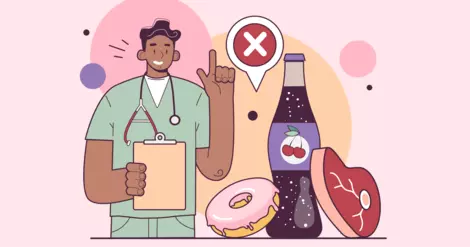
The foods you eat also play a central role in managing diabetes and in preventing kidney disease. This may mean focusing more on eating lean proteins, healthy fats, and high-fiber foods, as well as limiting carbohydrates. While carbohydrates are an important part of a nutritious diet, eating too much of the wrong type, such as refined carbohydrates like cookies and crackers, can raise your blood sugar too quickly.
If you already have CKD, your doctor may suggest making additional changes to your diet to make it more kidney-friendly. For instance, eating large quantities of protein may put added stress on your kidneys, so they may recommend that only 10 percent to 20 percent of your calories come from protein.
You may also be asked to limit salt and foods containing minerals like phosphates or potassium. It’s hard for your kidneys to remove phosphate, and too much potassium can negatively impact your heart. If you can, work with a registered dietitian to put together a meal plan that not only keeps your blood sugar under control but also protects your kidneys from damage.
Statistics show that more than 1 in 3 adults fall into the overweight category. Carrying extra weight can raise your risk for health problems, including kidney disease, and it can make diabetes harder to manage.
Research suggests CKD may progress faster in people with obesity. Losing weight can help improve insulin sensitivity, lower blood pressure and cholesterol, reduce inflammation, and ease stress on the kidneys, which can support both kidney health and diabetes control.
To implement a weight loss program, consider talking with a registered dietitian and certified personal trainer. They can help you put together a weight loss program that includes healthy foods, increased movement or exercise, and healthy lifestyle changes. Look for a program that’s sustainable and credible.
If you smoke, this habit affects the blood flow to your kidneys and raises your blood pressure. It also increases your risk of kidney disease, especially if you have diabetes. In fact, smoking makes your kidneys work harder to filter waste and reduces their ability to get the oxygen and nutrients they need to function.
Smoking also affects your heart, lungs, and immune system. Quitting not only preserves your kidney health but also improves the health of other systems in your body. It can even save you money, improve the taste of food, and boost your sense of smell.
If you smoke, set a quit date and decide if you want to taper off or go cold turkey. Also, talk with your doctor about how to give up the habit. They can offer tools and advice to help you achieve and maintain success.
Being informed about your kidney function is an important part of protecting them. This means keeping your doctor appointments and asking if additional testing is needed. Both urine tests (or urinalysis) and blood tests can be used to determine the health of your kidneys and whether they’re functioning correctly.
Some examples include the blood urea nitrogen (BUN) test, which measures a specific waste product in your blood, and the estimated glomerular filtration rate (eGFR) test, which estimates the filtration rates of your kidneys. A healthcare professional may also order a microalbuminuria test or an albumin-to-creatinine ratio — urine tests that check your urine albumin (a protein).
When kidney disease is found in the early stages, you have time to slow its progression and protect your kidney health. Plus, researchers have found that early discovery can reduce the risk of complications and death.
Medication can help control your blood sugar, manage high blood pressure, reduce cholesterol, and, ultimately, protect your kidneys. Taking your medication as prescribed is the best way to stay healthy. Otherwise, your blood pressure could skyrocket and your blood sugar levels could become unsafe — both of which can put your kidney health at risk.
If you’re concerned about the side effects or the cost of the medication, or if you feel like your dosage needs to be changed, talk to your healthcare provider. They may be able to prescribe a different medication, adjust your dosage, or find a more cost-effective alternative.
Be sure to avoid medications that can injure the kidneys if you take them regularly, such as NSAIDs (nonsteroidal anti-inflammatory drugs) like ibuprofen.
Getting adequate rest is an important part of your overall health and well-being, but it’s especially important when it comes to your kidney health. Not only can diabetes and high blood pressure interrupt your sleep, but researchers have also found that not getting good rest can cause kidney disease to progress more quickly.
Research suggests that getting enough sleep is linked with a slower decline in kidney function, especially in younger adults, while adults over 50 may benefit from a daytime nap. The key is to find a sleep schedule that works for you. Talk to your healthcare provider or a sleep specialist to determine what is best for you.
On DiabetesTeam, people share their experiences with type 2 diabetes, get advice, and find support from others who understand.
What steps do you take to ensure you’re protecting your kidney health? Let others know in the comments below.
Get updates directly to your inbox.




 Continue with Facebook
Continue with Email
Continue with Facebook
Continue with Email
Continue with Facebook
Continue with Email
Continue with Facebook
Continue with Email
Become a member to get even more





 Join
Join



 Your Privacy Choices

This is a member-feature!
Sign up for free to view article comments.
Definitely worth keeping in mind. Maybe staying on top of blood sugar and blood pressure, along with regular kidney checks and healthy habits, could help support kidney health.
We'd love to hear from you! Please share your name and email to post and read comments.
You'll also get the latest articles directly to your inbox.