It's completely understandable to be concerned about blood sugar ahead of those injections. If the nerve block contains a steroid (like cortisone or methylprednisolone), it can raise blood sugar levels — sometimes significantly.
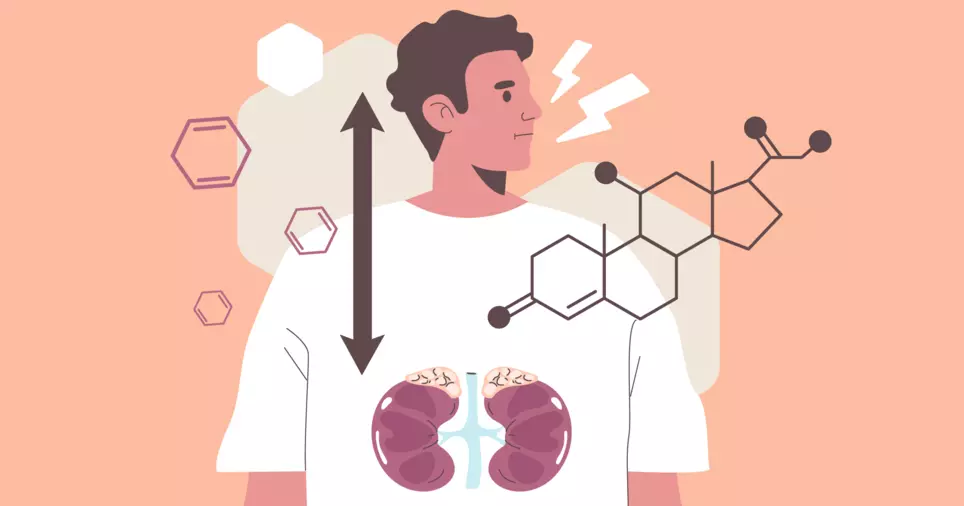
Steroids affect blood sugar in a few key ways:
- They increase insulin resistance, so your Show Full Answer
It's completely understandable to be concerned about blood sugar ahead of those injections. If the nerve block contains a steroid (like cortisone or methylprednisolone), it can raise blood sugar levels — sometimes significantly.
Steroids affect blood sugar in a few key ways:
- They increase insulin resistance, so your body's cells don't respond as well to insulin
- They signal the liver to release more stored glucose into the bloodstream
- They prevent fat and muscle cells from absorbing glucose properly The good news is that these effects are usually temporary. Blood sugar typically peaks within a few hours to a few days after the injection, and most people return to their normal levels within one to three weeks.
Here's how to stay on top of things around the 30th:
- Check your blood sugar more often — ideally for at least three days after the injections
- Watch for high blood sugar symptoms like increased thirst, frequent urination, blurred vision, or fatigue
- Stick to your diabetes eating plan and limit sugary foods during this time
- Talk to your healthcare team beforehand about whether any temporary medication adjustments might be needed One important heads-up — cervical and lumbar injections may have a different impact compared to injections in areas like the knee, which tend to cause more noticeable blood sugar spikes. That said, it's still worth being prepared and monitoring closely.
If blood sugar climbs very high or you experience symptoms like nausea, stomach pain, fruity-smelling breath, or shortness of breath, contact your doctor right away. Being proactive and communicating with your healthcare team beforehand is the best way to go into the 30th feeling confident!
AI-generated responses are not a substitute for medical advice. These services are not intended to
diagnose, treat, or cure any condition or disease. Always ask your doctor about specific health concerns.

How Do Steroid Shots Affect Your Blood Sugar?
2 hours ago





 Continue with Facebook
Continue with Email
Continue with Facebook
Continue with Email

 Join
Join



 Your Privacy Choices