Connect with others who understand.

  • Learn from expert-reviewed resources
  • Real advice from people who’ve been there
  • People who understand what you’re going through
Sign Up Log In
Powered By
Real members of DiabetesTeam have posted questions and answers that support our community guidelines, and should not be taken as medical advice. Looking for the latest medically reviewed content by doctors and experts? Visit our resource section.
A DiabetesTeam Member asked a question 💭
Rocky Face, GA
September 4
 · 
Reactions
DiabetesTeam

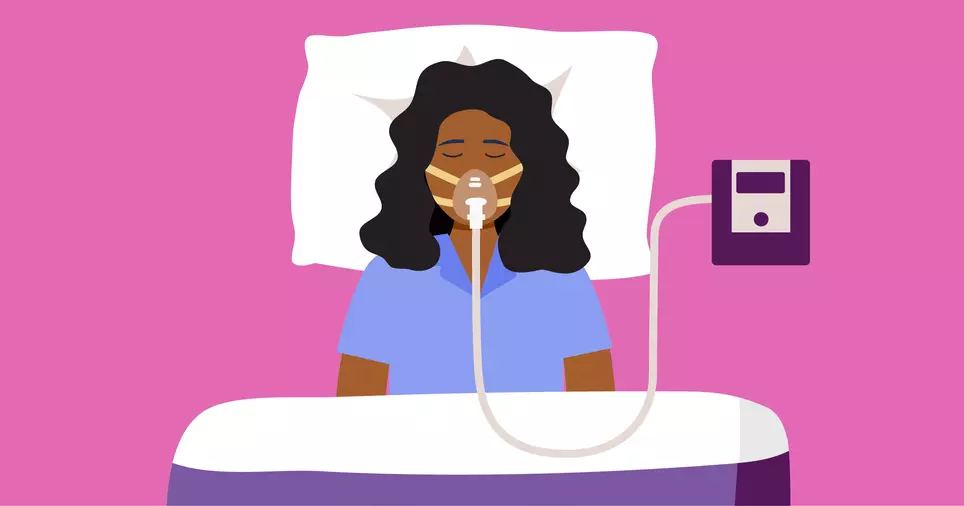
Sleep apnea and blood sugar have a pretty significant relationship — and not a friendly one. When breathing repeatedly stops and starts during sleep, it triggers a chain of events that make it harder for your body to manage glucose.

Here are the main ways sleep apnea can raise blood sugar:

- Low oxygen levels — Drops in Show Full Answer

Sleep apnea and blood sugar have a pretty significant relationship — and not a friendly one. When breathing repeatedly stops and starts during sleep, it triggers a chain of events that make it harder for your body to manage glucose.

Here are the main ways sleep apnea can raise blood sugar:

- Low oxygen levels — Drops in oxygen increase insulin resistance, meaning your body can't use insulin as effectively, causing blood sugar to rise
- Poor sleep quality — Interrupted sleep makes it harder for your body to process glucose properly
- Stress hormones — Sleep apnea raises cortisol and other stress hormones, which cause your body to produce more glucose and absorb less from the blood
- Inflammation — Breathing pauses trigger the release of proteins that cause inflammation, which is also linked to insulin resistance
- Low motivation — Exhaustion from poor sleep can make it harder to eat well, exercise, or even remember to take diabetes medications The good news is that treating sleep apnea — most commonly with a CPAP machine — has been linked to improved blood sugar control and better HbA1c levels. It's worth talking to a healthcare provider about getting a sleep study if sleep apnea is a concern.

September 4
A DiabetesTeam Member

@A DiabetesTeam Member Diabetes does not cause other diseases necessarily, but since Type 2 is a metabolic disorder with lots of different hormones involved it can leave us "more susceptable" to a whole host of other disorders

Not caused by each other, but they do work against each other

With sleep apnea about 2 out of 10 who experience that are "also" diabetic

And since about 2 out of 10 people in the general population are Diabetic that shows that sleep apnea is NO MORE COMMON in Diabetics than Non-Diabetics, so there is no cause/effect

Likewise Depression does tend to effect 1 in 4 diabetics, but it effects 1 in 2.5 oncology patients and about 1 in 12 in the general population

Comorbidities (two different chronic conditions) mostly exist "separately" from each other in terms of cause and treatment, but they can make dealing with each more challenging - treatments may be opposite or make one of the conditions worse

But just because you are Diabetic DOES NOT MEAN that you are very prone or will get another condition "because of the Diabetes" (unless of course it is a Diabetic Complicaton such as Peripheral Neuoropathy caused by high blood sugar, or Vascular Dementia, which looks like Alzheimers but is caused likewise, by high blood sugar....

September 4 (edited)
A DiabetesTeam Member

Then a diabetic can cause a whole lot of things sleep acne

September 4

Related Questions

View All
A DiabetesTeam Member asked a question 💭
Backus, MN

A DiabetesTeam Member asked a question 💭
Marshfield, MA

A DiabetesTeam Member asked a question 💭
Rocky Face, GA