... Mellitus — BMC Geriatrics The Relationship Between Abnormal Glucose Metabolism and Chronic Pain — Cell and Bioscience Association Between Chronic Pain and Diabetes/Prediabetes: A Population-Based Cross-Sectional Survey in Saudi Arabia — Pain Research and Management How To Safely Treat Nerve Pain While Managing Diabetes — Loma Linda University Health NSAIDs ...
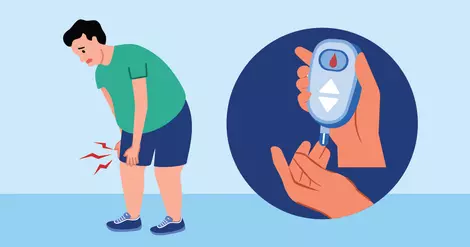
Can Pain Make Your Blood Sugar Spike?
... Mellitus — BMC Geriatrics The Relationship Between Abnormal Glucose Metabolism and Chronic Pain — Cell and Bioscience Association Between Chronic Pain and Diabetes/Prediabetes: A Population-Based Cross-Sectional Survey in Saudi Arabia — Pain Research and Management How To Safely Treat Nerve Pain While Managing Diabetes — Loma Linda University Health NSAIDs ...
... Glargine U-300, a type of ultra-long-acting insulin, starts working about six hours after injection, can last 24 hours, and has no peak.Some people with type 2 diabetes also use inhaled insulin along with long-acting insulin. Inhaled insulin works faster. ...
Insulin Timing for Type 2 Diabetes Explained
... Glargine U-300, a type of ultra-long-acting insulin, starts working about six hours after injection, can last 24 hours, and has no peak.Some people with type 2 diabetes also use inhaled insulin along with long-acting insulin. Inhaled insulin works faster. ...
... They may be able to prescribe a different medication, adjust your dosage, or find a more cost-effective alternative.Be sure to avoid medications that can injure the kidneys if you take them regularly, such as NSAIDs (nonsteroidal anti-inflammatory drugs) like ibuprofen.Prioritize Your SleepGetting adequate rest is an important part of your overall health ...
Protecting Your Kidneys With Diabetes: A Visual Guide
... They may be able to prescribe a different medication, adjust your dosage, or find a more cost-effective alternative.Be sure to avoid medications that can injure the kidneys if you take them regularly, such as NSAIDs (nonsteroidal anti-inflammatory drugs) like ibuprofen.Prioritize Your SleepGetting adequate rest is an important part of your overall health ...
... Stay HealthyOne of the best ways to avoid developing RA — or to manage RA if you already have it — is to take care of your body through diet and exercise.Get Consistent ExerciseAim for at least 150 minutes of exercise a week, if possible. ...
... Pumps — An insulin pump is a small, computerized device with a thin tube and needle inserted under the skin, typically in the abdomen. The pump mimics the body’s natural insulin release cycle by delivering insulin in two ways: a steady, continuous dose and an extra dose around mealtimes. Inhaled insulin was introduced in the U.S. in 2015. ...
Type 2 Diabetes Treatment and Research
... Pumps — An insulin pump is a small, computerized device with a thin tube and needle inserted under the skin, typically in the abdomen. The pump mimics the body’s natural insulin release cycle by delivering insulin in two ways: a steady, continuous dose and an extra dose around mealtimes. Inhaled insulin was introduced in the U.S. in 2015. ...
... — Drugs.com NSAIDs and Chronic Kidney Disease — Centers for Disease Control and Prevention Consequences of Alcohol Use in Diabetics — Alcohol Health and Research World. Robitussin Lingering Cold and Cough — Drugs.com ...
Cough Medicine and Diabetes: 5 Things To Look For
... — Drugs.com NSAIDs and Chronic Kidney Disease — Centers for Disease Control and Prevention Consequences of Alcohol Use in Diabetics — Alcohol Health and Research World. Robitussin Lingering Cold and Cough — Drugs.com ...
... In general, adults with type 2 diabetes are advised to: Get at least 150 minutes of moderate to vigorous physical activity each week, spread over at least three days. Break up long periods of sitting by getting up and moving at least once every hour. Do resistance or strength training two or three days a week. ...
How Long Does It Take for A1c To Improve With Exercise and Diet?
... In general, adults with type 2 diabetes are advised to: Get at least 150 minutes of moderate to vigorous physical activity each week, spread over at least three days. Break up long periods of sitting by getting up and moving at least once every hour. Do resistance or strength training two or three days a week. ...
... There aren’t many studies showing how effective NSAIDs are for DME, so more research is needed. NSAID eye drops your retina specialist may prescribe include: Bromfenac Diclofenac Ketorolac Nepafenac 4. Surgical ProceduresIf medications and lifestyle changes don’t improve your DME symptoms, your eye specialist may recommend a surgical procedure. ...
4 Diabetic Macular Edema Treatments: Injections, Surgery, and More
... There aren’t many studies showing how effective NSAIDs are for DME, so more research is needed. NSAID eye drops your retina specialist may prescribe include: Bromfenac Diclofenac Ketorolac Nepafenac 4. Surgical ProceduresIf medications and lifestyle changes don’t improve your DME symptoms, your eye specialist may recommend a surgical procedure. ...
... Most cases affect people under the age of 40. According to Diabetes.co.uk, males are less likely to have brittle diabetes than females.Health ConditionsCertain health conditions raise your risk of hyperglycemia and hypoglycemia. ...
Brittle Diabetes: Why Blood Sugar Swings Out of Control
... Most cases affect people under the age of 40. According to Diabetes.co.uk, males are less likely to have brittle diabetes than females.Health ConditionsCertain health conditions raise your risk of hyperglycemia and hypoglycemia. ...
... Move regularly, at least 30 minutes a day, most days of the week. Stay hydrated to keep blood flowing smoothly. Avoid sitting or standing for too long, and elevate your legs after a long day on your feet. Wear compression socks if recommended by your doctor. Protect your skin by checking your legs and feet daily for new wounds. ...
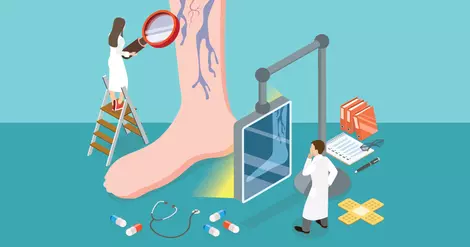
Veins More Visible With Diabetes? When To Worry
... Move regularly, at least 30 minutes a day, most days of the week. Stay hydrated to keep blood flowing smoothly. Avoid sitting or standing for too long, and elevate your legs after a long day on your feet. Wear compression socks if recommended by your doctor. Protect your skin by checking your legs and feet daily for new wounds. ...











 Join
Join