... The standards also suggest adding 700 calories worth of exercise every week. Activities like brisk walking and strength training contribute to that goal.Weight loss is not always an appropriate goal for everyone, depending on individual health needs. ...
Causes and Risk Factors of Type 2 Diabetes
... The standards also suggest adding 700 calories worth of exercise every week. Activities like brisk walking and strength training contribute to that goal.Weight loss is not always an appropriate goal for everyone, depending on individual health needs. ...
... In general, adults with type 2 diabetes are advised to: Get at least 150 minutes of moderate to vigorous physical activity each week, spread over at least three days. Break up long periods of sitting by getting up and moving at least once every hour. Do resistance or strength training two or three days a week. ...
How Long Does It Take for A1c To Improve With Exercise and Diet?
... In general, adults with type 2 diabetes are advised to: Get at least 150 minutes of moderate to vigorous physical activity each week, spread over at least three days. Break up long periods of sitting by getting up and moving at least once every hour. Do resistance or strength training two or three days a week. ...
... Most cases affect people under the age of 40. According to Diabetes.co.uk, males are less likely to have brittle diabetes than females.Health ConditionsCertain health conditions raise your risk of hyperglycemia and hypoglycemia. ...
Brittle Diabetes: Why Blood Sugar Swings Out of Control
... Most cases affect people under the age of 40. According to Diabetes.co.uk, males are less likely to have brittle diabetes than females.Health ConditionsCertain health conditions raise your risk of hyperglycemia and hypoglycemia. ...
... Insulin is usually injected into the fatty tissue just under the skin (subcutaneous injection). ...
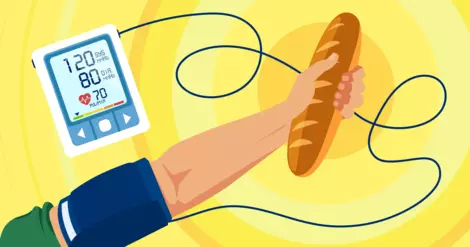
... Then, note how many carbs you ate. After that, wait one or two hours and then measure your blood sugar again. This will give you an idea of how your body responds to carbs. You’ll also be able to see whether you experienced a spike in blood sugar. ...
How Do Carbs Affect Blood Pressure in Diabetes?
... Then, note how many carbs you ate. After that, wait one or two hours and then measure your blood sugar again. This will give you an idea of how your body responds to carbs. You’ll also be able to see whether you experienced a spike in blood sugar. ...
... A 78-week study of adults taking basal insulin found that efsitora is as effective as daily insulin degludec, lowering A1c by 0.81 percentage points compared to 0.72 for daily insulin. Rates of moderate or severe low blood sugar were similar between groups. ...
... Move regularly, at least 30 minutes a day, most days of the week. Stay hydrated to keep blood flowing smoothly. Avoid sitting or standing for too long, and elevate your legs after a long day on your feet. Wear compression socks if recommended by your doctor. Protect your skin by checking your legs and feet daily for new wounds. ...
Veins More Visible With Diabetes? When To Worry
... Move regularly, at least 30 minutes a day, most days of the week. Stay hydrated to keep blood flowing smoothly. Avoid sitting or standing for too long, and elevate your legs after a long day on your feet. Wear compression socks if recommended by your doctor. Protect your skin by checking your legs and feet daily for new wounds. ...
... Note that no alternative medicine approaches have been proven to treat yeast infections. Another DiabetesTeam member described their experience with a pharmaceutical approach: “A specialist gave me an ongoing, once-a-month prescription for yeast infections. You just have to get ahead of it. Take it at the first symptom.” ...
Yeast Infections and Diabetes
... Note that no alternative medicine approaches have been proven to treat yeast infections. Another DiabetesTeam member described their experience with a pharmaceutical approach: “A specialist gave me an ongoing, once-a-month prescription for yeast infections. You just have to get ahead of it. Take it at the first symptom.” ...
... Your doctor can also monitor your A1c levels over time, to make sure your type 2 diabetes is under control over the long term as well as the short term.Your doctor should be an ally for you as you learn to live with type 2 diabetes. ...
Intermediate-Acting Insulin for Diabetes: 8 Facts To Know
... Your doctor can also monitor your A1c levels over time, to make sure your type 2 diabetes is under control over the long term as well as the short term.Your doctor should be an ally for you as you learn to live with type 2 diabetes. ...
... Since you have iron in your bloodstream, this effectively removes excess iron from circulating around your body, so it can’t be deposited in your organs.When you first start treatment, you’ll probably need to have your blood taken once or twice a week. You may have to do this between 50 and 100 times before your iron levels return to normal. ...
How Iron Affects Blood Sugar: Bronze Diabetes Explained
... Since you have iron in your bloodstream, this effectively removes excess iron from circulating around your body, so it can’t be deposited in your organs.When you first start treatment, you’ll probably need to have your blood taken once or twice a week. You may have to do this between 50 and 100 times before your iron levels return to normal. ...












 Join
Join