... — APMA Drug-Induced Nail Disease — DermNet ...
... Blisters and cuts can become ulcers if they are left untreated.You may find ulcers on different parts of your foot, including: The bottom of your foot Bony parts of your foot that press against your shoe or other surfaces The heel The areas between your toes The tips of the toes The nail bed Depending on your skin tone, ulcers may look pink, red, yellow ...
Blisters and Swollen Feet: How Diabetes Affects Your Skin and Circulation
... Blisters and cuts can become ulcers if they are left untreated.You may find ulcers on different parts of your foot, including: The bottom of your foot Bony parts of your foot that press against your shoe or other surfaces The heel The areas between your toes The tips of the toes The nail bed Depending on your skin tone, ulcers may look pink, red, yellow ...
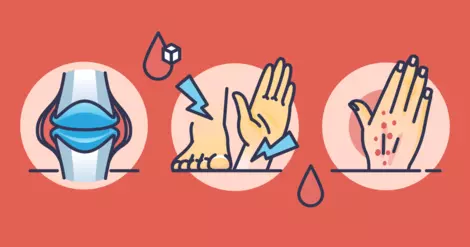
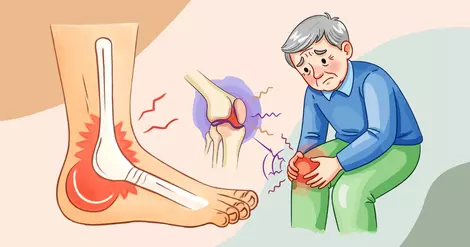
... For example, long-term use of systemic corticosteroids may worsen insulin resistance, making it harder to manage blood sugar levels.Managing Psoriatic Arthritis With DiabetesRegular doctor visits are essential for monitoring blood sugar levels and keeping them under control, which can help reduce chronic inflammation and joint pain. ...
Psoriatic Arthritis and Diabetes: What’s the Connection?
... For example, long-term use of systemic corticosteroids may worsen insulin resistance, making it harder to manage blood sugar levels.Managing Psoriatic Arthritis With DiabetesRegular doctor visits are essential for monitoring blood sugar levels and keeping them under control, which can help reduce chronic inflammation and joint pain. ...
... In general, adults with type 2 diabetes are advised to: Get at least 150 minutes of moderate to vigorous physical activity each week, spread over at least three days. Break up long periods of sitting by getting up and moving at least once every hour. Do resistance or strength training two or three days a week. ...
How Long Does It Take for A1c To Improve With Exercise and Diet?
... In general, adults with type 2 diabetes are advised to: Get at least 150 minutes of moderate to vigorous physical activity each week, spread over at least three days. Break up long periods of sitting by getting up and moving at least once every hour. Do resistance or strength training two or three days a week. ...
... Most cases affect people under the age of 40. According to Diabetes.co.uk, males are less likely to have brittle diabetes than females.Health ConditionsCertain health conditions raise your risk of hyperglycemia and hypoglycemia. ...
Brittle Diabetes: Why Blood Sugar Swings Out of Control
... Most cases affect people under the age of 40. According to Diabetes.co.uk, males are less likely to have brittle diabetes than females.Health ConditionsCertain health conditions raise your risk of hyperglycemia and hypoglycemia. ...
... Make a note of any changes in your skin, nail, or joint shape and tell your doctor if you notice new or worsening issues.Common Treatment OptionsPhysical therapy is one of the main ways to manage joint pain and instability. ...
... Move regularly, at least 30 minutes a day, most days of the week. Stay hydrated to keep blood flowing smoothly. Avoid sitting or standing for too long, and elevate your legs after a long day on your feet. Wear compression socks if recommended by your doctor. Protect your skin by checking your legs and feet daily for new wounds. ...
Veins More Visible With Diabetes? When To Worry
... Move regularly, at least 30 minutes a day, most days of the week. Stay hydrated to keep blood flowing smoothly. Avoid sitting or standing for too long, and elevate your legs after a long day on your feet. Wear compression socks if recommended by your doctor. Protect your skin by checking your legs and feet daily for new wounds. ...
... A 78-week study of adults taking basal insulin found that efsitora is as effective as daily insulin degludec, lowering A1c by 0.81 percentage points compared to 0.72 for daily insulin. Rates of moderate or severe low blood sugar were similar between groups. ...
... The standards also suggest adding 700 calories worth of exercise every week. Activities like brisk walking and strength training contribute to that goal.Weight loss is not always an appropriate goal for everyone, depending on individual health needs. ...
Causes and Risk Factors of Type 2 Diabetes
... The standards also suggest adding 700 calories worth of exercise every week. Activities like brisk walking and strength training contribute to that goal.Weight loss is not always an appropriate goal for everyone, depending on individual health needs. ...
... If you can, work with a registered dietitian to put together a meal plan that not only keeps your blood sugar under control but also protects your kidneys from damage.Manage Your WeightStatistics show that more than 1 in 3 adults fall into the overweight category. ...
Protecting Your Kidneys With Diabetes: A Visual Guide
... If you can, work with a registered dietitian to put together a meal plan that not only keeps your blood sugar under control but also protects your kidneys from damage.Manage Your WeightStatistics show that more than 1 in 3 adults fall into the overweight category. ...












 Join
Join