... Signs of an infected piercing include: Discolored, warm, swollen skin Itching or pain around the piercing Bleeding Yellow, green, or white pus that may have an unpleasant smell Be sure to clean your piercings with a sterile saline solution throughout the day. You can also apply an over-the-counter antibiotic ointment to help clear the infection. ...
Smell Behind Ears: Diabetes-Related or Something Else?
... Signs of an infected piercing include: Discolored, warm, swollen skin Itching or pain around the piercing Bleeding Yellow, green, or white pus that may have an unpleasant smell Be sure to clean your piercings with a sterile saline solution throughout the day. You can also apply an over-the-counter antibiotic ointment to help clear the infection. ...
... “I can also see how what I ate affected my sugars.”The TakeawayBoth Accu-Chek and FreeStyle make it easy to read your glucose results, whether on a device screen or in an app. If you want a straightforward meter and the ability to manually add diet or exercise details, Accu-Chek is a good option. ...
Accu-Chek vs. FreeStyle: What To Consider When Comparing Glucose Meters
... “I can also see how what I ate affected my sugars.”The TakeawayBoth Accu-Chek and FreeStyle make it easy to read your glucose results, whether on a device screen or in an app. If you want a straightforward meter and the ability to manually add diet or exercise details, Accu-Chek is a good option. ...
... Fungi thrive in warm and moist environments, making the feet an easy target, especially for people who sweat a lot or live in a humid climate. Toenail fungus can cause discoloration of the nails, including turning them black. ...
Black Toenails With Diabetes: 5 Possible Causes
... Fungi thrive in warm and moist environments, making the feet an easy target, especially for people who sweat a lot or live in a humid climate. Toenail fungus can cause discoloration of the nails, including turning them black. ...
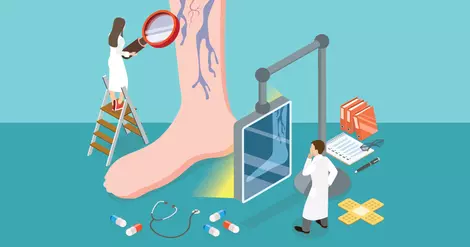
... Go to the emergency room if you have: Sudden swelling in one leg Sharp leg pain or tenderness, especially behind your knee or in your calf Warm or discolored skin on one leg Shortness of breath or chest pain People with diabetes are at higher risk for blood clots due to injury to the walls of blood vessels caused by chronically high blood sugar.Chronic ...
Veins More Visible With Diabetes? When To Worry
... Go to the emergency room if you have: Sudden swelling in one leg Sharp leg pain or tenderness, especially behind your knee or in your calf Warm or discolored skin on one leg Shortness of breath or chest pain People with diabetes are at higher risk for blood clots due to injury to the walls of blood vessels caused by chronically high blood sugar.Chronic ...
... Here’s what they mean: Less than 100 milligrams per deciliter — Considered normal 100 to 125 milligrams per deciliter — Indicates prediabetes 126 milligrams per deciliter or higher — Indicates diabetes Random Plasma Glucose TestA blood sample for a random or casual blood glucose test can be taken at any time. ...
How Is Diabetes Diagnosed? Tests, Screening, and More
... Here’s what they mean: Less than 100 milligrams per deciliter — Considered normal 100 to 125 milligrams per deciliter — Indicates prediabetes 126 milligrams per deciliter or higher — Indicates diabetes Random Plasma Glucose TestA blood sample for a random or casual blood glucose test can be taken at any time. ...
... To prevent dehydration, make sure to hydrate even more when it’s warm out or you’re working out.People living with diabetes are more prone to dehydration, so it’s important to keep an eye out for early signs. ...
Drinks for Diabetes: Best Beverages and Hydration
... To prevent dehydration, make sure to hydrate even more when it’s warm out or you’re working out.People living with diabetes are more prone to dehydration, so it’s important to keep an eye out for early signs. ...
... Take your blood sugar levels as usual to make sure you are in a normal range. Drink an extra 2 cups (16 ounces) of water before you go to the donation center. Eat a healthy meal, and avoid processed foods high in sugar and fat. After you donate, you may be offered sugary snacks and drinks, such as cookies and orange juice. ...
Can You Donate Blood or Plasma if You Have Diabetes?
... Take your blood sugar levels as usual to make sure you are in a normal range. Drink an extra 2 cups (16 ounces) of water before you go to the donation center. Eat a healthy meal, and avoid processed foods high in sugar and fat. After you donate, you may be offered sugary snacks and drinks, such as cookies and orange juice. ...
... Try warming your hands under warm water or by rubbing them together before washing.If the first drop of blood is too small, don’t try to add more blood to the same strip. ...
... Candida albicans tends to grow in damp, warm areas of the body, particularly in skin folds. ...
... In some cases, controlling inflammation may be as easy as taking nonsteroidal anti-inflammatory drugs (NSAIDs), some of which you can get over the counter.If your inflammation is more severe, talk to your doctor about taking disease-modifying antirheumatic drugs (such as methotrexate or hydroxychloroquine) or biologics, both of which are often used ...
Diabetes and Rheumatoid Arthritis: Understanding the Connection
... In some cases, controlling inflammation may be as easy as taking nonsteroidal anti-inflammatory drugs (NSAIDs), some of which you can get over the counter.If your inflammation is more severe, talk to your doctor about taking disease-modifying antirheumatic drugs (such as methotrexate or hydroxychloroquine) or biologics, both of which are often used ...











 Join
Join