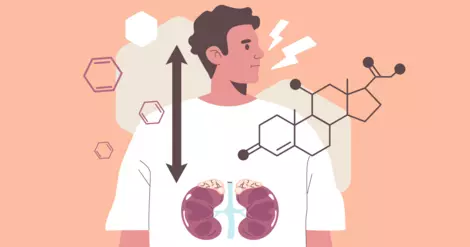
... When your body thinks you need more energy, like during stress or fear, it gets that energy by raising your blood sugar levels. One way it does this is by telling your liver to release stored sugar into your blood.Adrenaline can also make it harder for insulin (the hormone that lowers blood sugar) to do its job. ...
Does Adrenaline Raise Blood Sugar? What You Need To Know
... When your body thinks you need more energy, like during stress or fear, it gets that energy by raising your blood sugar levels. One way it does this is by telling your liver to release stored sugar into your blood.Adrenaline can also make it harder for insulin (the hormone that lowers blood sugar) to do its job. ...
... References Diabetes Treatment: Using Insulin To Manage Blood Sugar — Mayo Clinic Insulin Basics for Diabetes — American Diabetes Association Ultra-Rapid-Acting Insulins: How Fast Is Really Needed? ...
Insulin Timing for Type 2 Diabetes Explained
... References Diabetes Treatment: Using Insulin To Manage Blood Sugar — Mayo Clinic Insulin Basics for Diabetes — American Diabetes Association Ultra-Rapid-Acting Insulins: How Fast Is Really Needed? ...
... Your healthcare provider might suggest adjusting your treatment plan or suggest meeting with a dietitian to review your eating habits and make changes that support skin and blood sugar health.To care for your skin: Wash with gentle soap and warm water. Moisturize with lotion if your skin feels dry or tight. ...
Why Diabetes Can Cause Dark Spots on Your Legs
... Your healthcare provider might suggest adjusting your treatment plan or suggest meeting with a dietitian to review your eating habits and make changes that support skin and blood sugar health.To care for your skin: Wash with gentle soap and warm water. Moisturize with lotion if your skin feels dry or tight. ...
... A healthcare professional may retest you using a more accurate device.Accuracy MattersSo, how reliable are glucose monitors? In general, they are reliable tools — but they’re not necessarily perfect. ...
... Signs of an infected piercing include: Discolored, warm, swollen skin Itching or pain around the piercing Bleeding Yellow, green, or white pus that may have an unpleasant smell Be sure to clean your piercings with a sterile saline solution throughout the day. You can also apply an over-the-counter antibiotic ointment to help clear the infection. ...
Smell Behind Ears: Diabetes-Related or Something Else?
... Signs of an infected piercing include: Discolored, warm, swollen skin Itching or pain around the piercing Bleeding Yellow, green, or white pus that may have an unpleasant smell Be sure to clean your piercings with a sterile saline solution throughout the day. You can also apply an over-the-counter antibiotic ointment to help clear the infection. ...
... — Mayo Clinic FDA Warns About Risks of Using Home Use Test Strips That Are Pre-Owned or Not Authorized for Sale in U.S., Including Those for Glucose, Warfarin — U.S. ...
... You may need reduced doses of insulin.If tracking insulin and glucose monitoring is hard for you, talk to your doctor about using a patch or an insulin pump. These can help you assess your glucose levels and make sure you get the treatment you need when you need it. ...
Intermediate-Acting Insulin for Diabetes: 8 Facts To Know
... You may need reduced doses of insulin.If tracking insulin and glucose monitoring is hard for you, talk to your doctor about using a patch or an insulin pump. These can help you assess your glucose levels and make sure you get the treatment you need when you need it. ...
... Inhaled insulin was introduced in the U.S. in 2015. ...
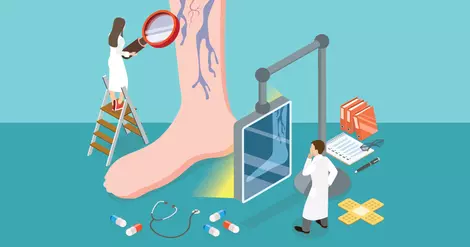
... Go to the emergency room if you have: Sudden swelling in one leg Sharp leg pain or tenderness, especially behind your knee or in your calf Warm or discolored skin on one leg Shortness of breath or chest pain People with diabetes are at higher risk for blood clots due to injury to the walls of blood vessels caused by chronically high blood sugar.Chronic ...
Veins More Visible With Diabetes? When To Worry
... Go to the emergency room if you have: Sudden swelling in one leg Sharp leg pain or tenderness, especially behind your knee or in your calf Warm or discolored skin on one leg Shortness of breath or chest pain People with diabetes are at higher risk for blood clots due to injury to the walls of blood vessels caused by chronically high blood sugar.Chronic ...









 Join
Join