Powered By


The holidays are often a time for family, traditions, and gatherings. They can also bring crowded calendars, disrupted routines, extra responsibilities, and difficult emotions.
For people living with type 2 diabetes, changes in meal schedules and food choices can affect blood glucose. Stress can affect blood glucose, too.
These answers show there is no single way to get through a busy season. In their comments, DiabetesTeam members described scaling back expectations, protecting familiar routines, making time for rest, sharing holiday work, giving themselves flexibility around food, and coping with loneliness or grief. Here are six strategies drawn from their experiences.
Some DiabetesTeam members have found that reducing expectations can take pressure off the season. That might mean decorating less, spending less, or deciding that some traditions no longer feel worth the effort.
One member summed up that shift: “I have resolved to no longer do what leaves me tired, broke, or emotionally drained.”

Another member has embraced a simpler celebration: “I love the holidays but am lucky that I get to spend it with my son and family. I have given up stressing about decorating a lot. Low-key for me.”
Simplifying does not have to mean giving up everything you enjoy. It can mean choosing the parts of the holiday that matter most and letting some of the rest go.
Holiday plans can disrupt familiar schedules. Some members said they cope by holding on to routines that help them feel grounded.
One DiabetesTeam member said, “I just don’t sacrifice my routine.”
Another described going at their own pace: “I set my own pace, allow for extra time when needed. If people don’t understand, that’s their issue, not mine.”
Your routine may include meals, movement, medications, glucose checks, sleep, or other parts of your diabetes care plan. Following the plan you’ve made with your healthcare team can help you track patterns and decide whether changes are needed.
Rest does not have to be something you save for after you are exhausted. Several members intentionally build downtime into their holiday schedules.
One DiabetesTeam member shared, “I schedule sleep-ins at least once a week, or a couple of earlier nights, and sometimes an afternoon nap. If I’m not overly active, my family knows it’s me taking care of myself.”
Others find relief by stepping away for a while: “When I do get a little stressed or irritated, I usually find a quiet spot or go for a walk, and that seems to work.”
A nap, a walk, music, or a few quiet minutes alone may be enough to give you a break from a crowded or demanding day. Because stress can also affect blood glucose levels, finding ways to relax may be especially helpful when you’re managing type 2 diabetes.
 Cooking, shopping, decorating, and hosting can become a lot for one person to manage. Members described making celebrations easier by sharing responsibilities or simplifying holiday preparations.
One member said their family buys a prepared holiday meal: “We have a food store that sells a full Xmas dinner. We buy it, and we all enjoy it without all the preparation. We RELAX.”
Another has made holiday preparation part of family time: “My grandkids come over and help bake the cookies, so it’s a fun time. Less stressful all around.”
Asking for help, buying something prepared, or offering to bring a dish that fits your eating plan can leave more time and energy for actually enjoying the people around you.
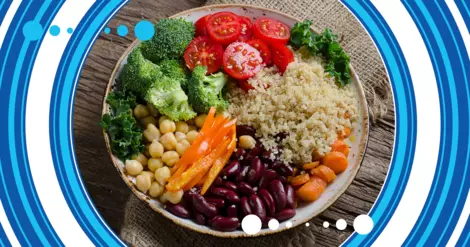
Food came up often in members’ comments. Some talked about portions, planning ahead, or choosing foods that fit their usual routine. Others focused on giving themselves some grace.
One DiabetesTeam member wrote, “Holiday stress comes with all the food and temptation. For me, going off my diet routine is inevitable. My answer to this is self-forgiveness.”
Another offered a similar perspective: “I am only human. If I fail, I need to get back up, forgive myself (it’s not like I committed a capital crime), and move on.”
Holiday eating does not have to become a pass-or-fail test. You can enjoy your favorite foods while being mindful of portions and sticking with your usual diabetes care plan, including glucose checks if recommended.
If changes to your usual eating routine are difficult, your healthcare team can help you make a plan that works for you.
 Not everyone experiences the holidays as joyful. For some members, this time of year brings grief, isolation, or reminders of people and traditions they miss.
One DiabetesTeam member said, “I’m by myself, so the holidays are depressing. I look forward to January 2.”
Another described how much the season has changed: “It’s just my brother and I now, so Christmas is almost a non-holiday. I enjoy seeing Christmas trees and all the decorations, but with our parents gone and relatives living far away, along with not having friends or acquaintances, the holidays are a bit lonely.”
These feelings can be especially difficult during the holidays. Connection might look different from year to year, whether that means spending time with family, talking with a friend, joining a community, or creating a quieter tradition of your own.
Protecting your well-being during the holidays doesn’t have to mean giving up everything you enjoy. Making time for rest, keeping up with your diabetes care routine, and adjusting plans when needed can help you manage the season in ways that work for you.
The holidays can also be emotionally challenging, especially when stress, changes in eating habits, or the demands of managing blood glucose add to the pressure. If you’re feeling lonely, sad, or overwhelmed, consider reaching out to friends, family, or others in your support community.
If these feelings continue or interfere with daily life, a mental health professional can offer additional support.
What did we miss? Share your tips for managing holiday stress, staying connected to your diabetes care routine, or making room for rest and flexibility.
 Continue with Facebook
Continue with Email
You'll also get the latest articles directly to your inbox.


You'll also get the latest articles directly to your inbox.
Get updates directly to your inbox.

 Continue with Facebook
Continue with Email
Continue with Facebook
Continue with Email
Become a member to get even more





 Join



 Your Privacy Choices