
Powered By



 Continue with Facebook
Continue with Email
Continue with Facebook
Continue with Email
If you have type 2 diabetes, you may have heard that sleep problems and blood sugar control are connected. But what about sleep apnea? Can this common sleep disorder lead to diabetes or make it harder to manage?
The answer is more complicated than a simple yes or no. Still, understanding the link between these two conditions is important for your health. Read on to learn more.
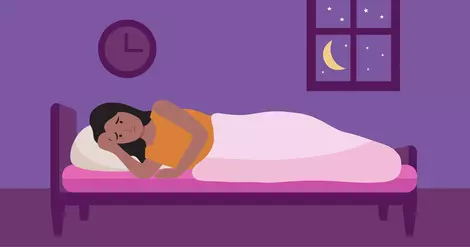
Sleep apnea is a condition where your breathing stops and starts repeatedly while you sleep. The most common type is obstructive sleep apnea (OSA). OSA occurs when muscles in the back of your throat relax too much during sleep. When this happens, your airway gets blocked, and you stop breathing for a short time, sometimes many times throughout the night.

These pauses in breathing can lower the oxygen levels in your blood. Your brain then has to wake you up briefly to reopen your airway. You might not even remember waking up, but these interruptions prevent you from getting the restful, deep sleep your body needs.
Some common signs of sleep apnea include:
Sleep apnea doesn’t directly cause diabetes. But research shows that sleep apnea may increase your risk of developing type 2 diabetes and make it harder to control your blood sugar if you already have diabetes. In fact, more severe sleep apnea has been linked to poorer glucose control.
A study of African-Americans found that those with severe sleep apnea had 14 percent higher fasting blood glucose levels compared to those without sleep apnea. The study also found stronger links between sleep apnea and high blood sugar in men who already had diabetes compared to women.
Here are a few ways sleep apnea can raise diabetes risk.
With sleep apnea, your body tends to have lower oxygen levels, which increases insulin resistance. This means your body doesn’t use insulin as effectively. Studies show that people with sleep apnea, particularly OSA, have higher levels of insulin resistance. When your body becomes resistant to insulin, your blood sugar levels rise because the glucose can’t reach your cells properly.
When you don’t get enough quality sleep because of repeated breathing interruptions and waking up over and over, your body has a harder time processing glucose. This can also lead to insulin resistance, as the body doesn’t use insulin effectively, causing more sugar in the bloodstream and leading to high blood sugars.
Sleep apnea can lead to an increase in stress hormones like epinephrine, norepinephrine, and cortisol. This can cause your body to make more glucose and take in less glucose from the blood. These hormones can make blood sugar harder to control.
Pauses in breathing due to sleep apnea can cause the body to release cytokines, which are messenger proteins responsible for triggering inflammation. More cytokines and inflammation in the body have been found to also cause insulin resistance.
Disrupted sleep often affects your energy and motivation. When you’re exhausted from poor sleep, it may be harder to make healthy food choices, exercise regularly, or even remember to take your diabetes medications. You might also be more irritable toward friends and family members.
It’s important to understand that while sleep apnea may increase diabetes risk, it doesn’t guarantee you’ll develop diabetes. Many factors play a role, including your weight, age, family history, and physical activity level. But if you have sleep apnea, it’s one more risk factor to take seriously.
The good news is that treating sleep apnea may help improve blood sugar control. A few sleep apnea treatment options are available, and research suggests that they may make a real difference.
Continuous positive airway pressure (CPAP) therapy is the most common treatment for sleep apnea. This involves wearing a mask over your nose and mouth while you sleep. A machine forces air into your nose to keep your throat from closing during sleep, helping you breathe consistently.
One study found that using CPAP therapy for eight hours a night helped people with prediabetes keep their condition from progressing to diabetes. The study also showed that participants who used a CPAP had better glucose control and improved insulin sensitivity compared to those who didn’t use a CPAP. After two weeks of CPAP therapy, the treatment group also had 27 percent lower levels of the stress hormone norepinephrine and lower blood pressure.
Losing weight can make a difference in treating sleep apnea. Research shows that just a 10 percent weight loss can lead to a 26 percent decrease in the number of sleep apnea breathing pauses per hour.
Weight management for diabetes can help, too. Keep in mind that a “healthy” weight looks different for everyone. But in general, losing 5 percent of excess weight may improve cholesterol and blood pressure levels and reduce the risk of complications like stroke or heart disease.
One of the most effective ways to lose weight is through lifestyle changes such as eating a balanced diet and being physically active. One study found that people with type 2 diabetes who lost weight through lifestyle changes had much better sleep apnea scores after 10 years. More than 34 percent of study participants also achieved obstructive sleep apnea remission through lifestyle changes.
GLP-1 medicines can help with weight loss and may lessen sleep apnea by reducing body fat. In December 2024, the FDA approved tirzepatide (Zepbound) to treat moderate to severe obstructive sleep apnea in adults with obesity, to be used along with healthy eating and more activity.
Other sleep apnea treatments, like oral appliances or sleeping on your side instead of your back, may improve sleep apnea symptoms. This in turn may help with insulin sensitivity, nighttime glucose levels, and improved sleep altogether.
Remember, CPAP therapy and other sleep apnea treatments alone won’t cure diabetes or completely reverse insulin resistance. But they can be an important part of your overall diabetes care. The most effective approach often combines multiple strategies.
If you have diabetes and you’re experiencing symptoms like daytime sleepiness, depression, irritability, snoring, or feeling fatigued most of the time, talk to your doctor.
Getting tested for sleep apnea is important because many people with diabetes also have undiagnosed sleep apnea. Identifying and treating sleep apnea may make it easier to manage your diabetes and improve your sleep overall. Sleep apnea can also lead to an increased risk of serious health problems like heart disease and hypertension (high blood pressure).
To test for sleep apnea, doctors use a sleep study, or polysomnogram. This test can be done at home or in a sleep medicine lab. It monitors your breathing, oxygen levels, and sleep patterns at night to see if you have sleep apnea and how severe it is.
Remember, sleep apnea doesn’t always cause diabetes. But it can raise your risk and make blood sugar harder to control. Treating sleep apnea and making appropriate lifestyle changes can help you feel better and may improve your overall diabetes management.
Don’t hesitate to talk to your healthcare team about your sleep quality and whether you should be tested for sleep apnea. Better sleep could be the missing piece in managing your diabetes and feeling your best.
On DiabetesTeam, people share their experiences with diabetes, get advice, and find support from others who understand.
What interventions have you considered to improve your sleep? Let others know in the comments below.
Get updates directly to your inbox.


 Continue with Facebook
Continue with Email
Continue with Facebook
Continue with Email
Continue with Facebook
Continue with Email
Continue with Facebook
Continue with Email
Become a member to get even more





 Join
Join


 Your Privacy Choices

This is a member-feature!
Sign up for free to view article comments.
Yeah, that can be scary. Repeated breathing pauses can really mess with sleep quality and leave you exhausted even after a full night.
We'd love to hear from you! Please share your name and email to post and read comments.
You'll also get the latest articles directly to your inbox.