
Powered By



 Continue with Facebook
Continue with Email
Continue with Facebook
Continue with Email
Gestational diabetes is a common condition that affects many pregnancies worldwide, though rates vary by location and how it’s tested. Gestational diabetes also raises the risk of gestational hypertension (high blood pressure during pregnancy).
When gestational diabetes and high blood pressure occur during pregnancy, the risk of complications such as preterm birth, preeclampsia, and cesarean section (C-section) rises. But can gestational diabetes also lead to uncontrolled hypertension — high blood pressure that doesn’t respond to treatment?
There’s a clear link between gestational diabetes and gestational hypertension, but gestational diabetes may not be directly related to uncontrolled hypertension. Gestational diabetes mainly raises the risk of high blood pressure during pregnancy.
Gestational diabetes may also increase your risk of hypertension as you get older. Over time, that high blood pressure could become harder to control, especially if it goes unnoticed or treatment isn’t effective.
Still, understanding the connection between gestational diabetes and high blood pressure is important so you can take steps to manage both conditions. Here’s what to know about how they’re linked, why they occur together, and how they can affect long-term health.
Gestational diabetes is a type of diabetes that develops during pregnancy. In the U.S., it affects about 8 percent to 10 percent of pregnant women, according to Cleveland Clinic. The worldwide rate is 14 percent to 17 percent.
This pregnancy complication occurs when blood glucose (blood sugar) levels get too high, which is called hyperglycemia. Hormones from the placenta (the organ that supports the baby during pregnancy) can make it harder for your body to make or use insulin. This hormone helps move sugar from your blood into your cells for energy.
Usually, gestational diabetes develops between 24 and 28 weeks, in the second trimester. Managing this condition can help lower risks for both you and your baby.
Most people don’t have symptoms and may not know they have gestational diabetes until their healthcare provider does a blood test. If symptoms do occur, they may include feeling very thirsty, needing to urinate more often, and feeling more tired than usual. These symptoms can also happen in a typical pregnancy, which is why testing is so important.
High blood sugar can lead to complications, but many people avoid problems by making diet and lifestyle changes.
Gestational diabetes can increase the chance of preterm birth or C-section, especially if the baby grows larger than expected. Larger babies may need care in a neonatal intensive care unit.
Gestational diabetes also raises the risk of:
A study in the journal Nutrients found that gestational diabetes is linked to an increased risk of preeclampsia. The level of risk can vary depending on the study and a person’s other health factors, such as gaining too much weight during pregnancy and not managing blood sugar well.
In addition to preeclampsia, other types of high blood pressure can develop during pregnancy. These include gestational hypertension, chronic hypertension, and chronic hypertension with superimposed preeclampsia. Here’s what to know about each.
Preeclampsia is a condition that causes ongoing high blood pressure that starts after 20 weeks of pregnancy. Preeclampsia and related pregnancy conditions affect 5 percent to 8 percent of all births in the U.S. Signs of preeclampsia may include:
High levels of protein in the urine
Call your healthcare provider right away or get emergency help if you have warning signs such as a severe headache that won’t go away, vision changes (like blurred vision or seeing spots), severe pain in the upper belly (especially on the right side), shortness of breath, or seizure-like symptoms. If something feels wrong, it’s safest to get checked.
Gestational hypertension affects about 6 percent to 8 percent of pregnancies. It starts after 20 weeks of pregnancy and doesn’t include protein in the urine or signs of organ damage. In most cases, it goes away after childbirth, but it can sometimes lead to preeclampsia.
This type of high blood pressure is diagnosed before pregnancy or within the first 20 weeks. It may be unclear whether chronic hypertension started before pregnancy or early in pregnancy.
If chronic hypertension gets worse during pregnancy, it may develop into chronic hypertension with superimposed preeclampsia. People with this condition often have protein in the urine and may have other complications.
Researchers aren’t sure why these two conditions occur together, especially since study results are mixed. One theory is that gestational diabetes and high blood pressure share common risk factors, including:
Both conditions can also affect blood vessels and metabolism, so having one condition may increase the chance of developing the other.
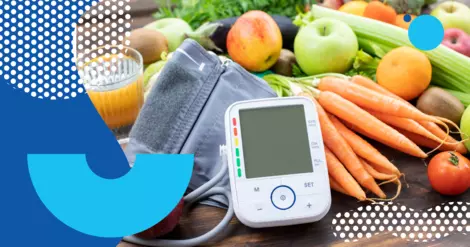
Keeping your prenatal appointments, following your treatment plan, and checking your blood pressure and glucose levels at home are effective ways to manage gestational diabetes and high blood pressure. Lifestyle changes can also help.
In 60 percent to 75 percent of gestational diabetes cases, healthy lifestyle changes can help keep blood sugar in a target range. Your doctor may suggest:
Some people may still need medicine, like insulin, to reach their goals.
If your blood pressure is high, your healthcare provider may recommend pregnancy-safe blood pressure medicine. Very high readings need urgent medical attention.
Preeclampsia is a serious condition and can be life-threatening if not properly managed. It’s important to follow your treatment plan and know the warning signs. Get medical help right away if you have symptoms such as:
Having gestational diabetes or high blood pressure during pregnancy can raise your chance of developing type 2 diabetes later. Having both may increase that risk even more. Your healthcare provider can help you plan the right follow-up testing after pregnancy.
These conditions can also increase your chance of having high blood pressure after pregnancy. The risk may be higher if you had both gestational diabetes and high blood pressure while pregnant.
Over time, people who had gestational diabetes or pregnancy-related high blood pressure may have a higher risk of heart and blood vessel problems later. A healthy lifestyle and regular checkups can help lower that risk.
After pregnancy, ask your healthcare provider about follow-up care. If you have gestational diabetes, you’ll usually need a diabetes test four to 12 weeks after delivery to make sure your blood sugar has returned to normal. You may also need repeat testing later, because gestational diabetes raises your risk of type 2 diabetes.
Keep checking your blood pressure as advised, since pregnancy-related high blood pressure can also increase your risk of high blood pressure later in life.
On DiabetesTeam, people share their experiences with diabetes, get advice, and find support from others who understand.
How has gestational diabetes affected your blood pressure? What have you done to address it? Let others know in the comments below.
Get updates directly to your inbox.



 Continue with Facebook
Continue with Email
Continue with Facebook
Continue with Email
Continue with Facebook
Continue with Email
Continue with Facebook
Continue with Email
Become a member to get even more





 Join
Join


 Your Privacy Choices

This is a member-feature!
Sign up for free to view article comments.
🤣
We'd love to hear from you! Please share your name and email to post and read comments.
You'll also get the latest articles directly to your inbox.