Powered By


Last I heard, I am still prediabetic.
It shows how your body does going long periods without food. I sometimes have nocturnal lows and have to get up and eat a snack. But, I always try to check my numbers before bed so I can adjust accordingly. If I'm low I eat a protein snack
If I am in range I don't eat. It helps the doctor to understand what therapy plan you need.
My glucose meter is linked with my doctors office and she can get real time readings.
A single finger stick every morning doesn't give you very much usuable information particularly if you are just pre-diabetic or even a decently controlled Type 2
A morning test, if done correctly and tracked over time can be indicative of when the disease starts to progress but there are so many factors it's more about looking at trends
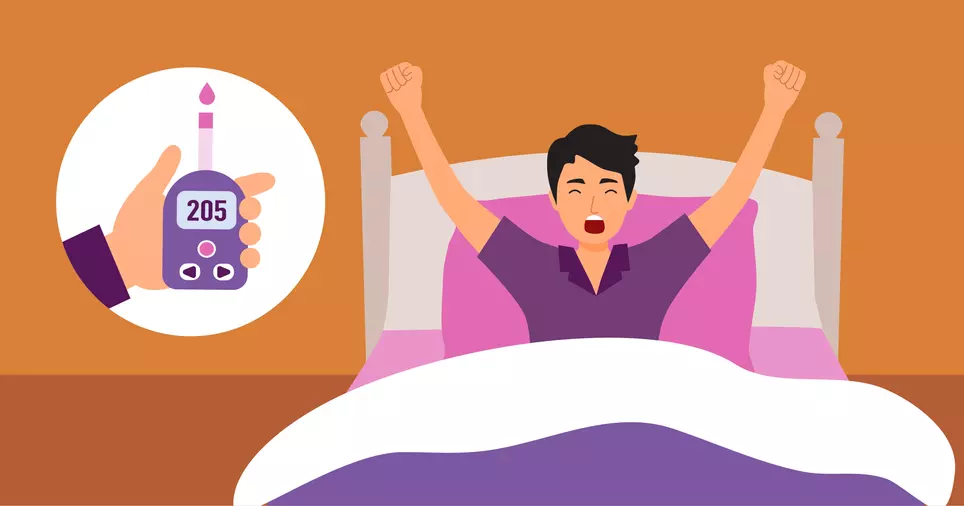
If you wanted to be as (clinically correct) as possible when taking your fasting sugar it should be done almost "immediately" when you wake up "while you are still LYING IN BED" because movement, and feet hitting the floor "jacks your fasting number" and every minute you wait after waking, the reading you get was NOT your fasting number
Take a drink of water, brush your teeth, walk to the kitchen - any of those thing cause your blood sugar to bounce around
Many may tend to think that our numbers are relatively stable and they smoothly climb or fall as we eat or burn off sugar, but it's not like that - you blood sugar can jump or fall 20 or 30 points in a few seconds
So unless your Doc specifically asks you to test at some interval, there is little need to test unless you just want to know
There is 86,400 seconds in a day - that single stick test you do accounts for 1 of those seconds and doesn't tell you where your blood sugar is the other 85,399 seconds, so it really is of limited value unless you are using it for a specific purpose
Now with wide acceptance of CGM's, really, if you need monitoring (because of meds etc) you should wear a CGM that does measure "continuously" - the stick tests should be more for the casual user that checks when they feel light headed (or whatever) or if you just want to check and see if "your plan" is still working - do an after meal check once in a while to see if your diet is still working etc
While I believe you can never have too much information about diabetes, if you are sticking your finger every morning and your Doc doesn't want to see the results And YOU don't really use the data for anything, then it's not worth doing...

Great question! For prediabetes, daily morning blood sugar testing isn't always required — it really depends on what your doctor recommends based on your specific situation.
People with prediabetes may only need an A1C test once a year to track their average blood sugar levels over time. This is less intensive than the Show Full Answer
@A DiabetesTeam Member Since I've been prescribed my Continuous Glucose Monitor and Sensors I take a reading every morning upon rising. When I had the finger stick most mornings I would wait until later in the day because I was usually too sleepy.
I just saved it to my Favorites



 Continue with Facebook
Continue with Email
Continue with Facebook
Continue with Email

 Join
Join



 Your Privacy Choices