... Checking your magnesium levels — both in your blood and urine — can give a clearer picture of how your body is handling magnesium. If you take any prescription medications, you should always discuss potential side effects with your doctor, including their effect on magnesium levels. ...
Magnesium for Diabetes: Does It Help?
... Checking your magnesium levels — both in your blood and urine — can give a clearer picture of how your body is handling magnesium. If you take any prescription medications, you should always discuss potential side effects with your doctor, including their effect on magnesium levels. ...
... These drugs help control blood sugar levels by causing the body to release excess glucose through the urine, which could lead to a yeast infection. Talk to your doctor about how to prevent yeast infections when on these medications. ...
Yeast Infections and Diabetes
... These drugs help control blood sugar levels by causing the body to release excess glucose through the urine, which could lead to a yeast infection. Talk to your doctor about how to prevent yeast infections when on these medications. ...
... Infections can result if the urine stays in a person’s bladder for too long because they don’t feel the urge to urinate.Other potential causes of frequent urination include: Enlarged prostate, also known as benign prostate hyperplasia Genitourinary tumors (tumors in the genital and urinary organs) High alcohol or caffeine intake Pelvic floor dysfunction ...
Frequent Urination and Diabetes
... Infections can result if the urine stays in a person’s bladder for too long because they don’t feel the urge to urinate.Other potential causes of frequent urination include: Enlarged prostate, also known as benign prostate hyperplasia Genitourinary tumors (tumors in the genital and urinary organs) High alcohol or caffeine intake Pelvic floor dysfunction ...
... “Insipidus” is Latin for “tasteless,” indicating that the urine of people with this condition had no flavor. ...
... Signs of an infected piercing include: Discolored, warm, swollen skin Itching or pain around the piercing Bleeding Yellow, green, or white pus that may have an unpleasant smell Be sure to clean your piercings with a sterile saline solution throughout the day. You can also apply an over-the-counter antibiotic ointment to help clear the infection. ...
Smell Behind Ears: Diabetes-Related or Something Else?
... Signs of an infected piercing include: Discolored, warm, swollen skin Itching or pain around the piercing Bleeding Yellow, green, or white pus that may have an unpleasant smell Be sure to clean your piercings with a sterile saline solution throughout the day. You can also apply an over-the-counter antibiotic ointment to help clear the infection. ...
... Most people don’t know that they have diabetic kidney disease, and the only way to check is to have blood and urine tests.What Are the Early Signs of Type 2 Diabetes? ...
Signs and Symptoms of Type 2 Diabetes
... Most people don’t know that they have diabetic kidney disease, and the only way to check is to have blood and urine tests.What Are the Early Signs of Type 2 Diabetes? ...
... They may take a urine or stool sample to see what’s producing the sweet smell, which in turn can help them suggest the right treatment.Find Your TeamDiabetesTeam is the social network for people with diabetes and their loved ones. ...
Can Diabetes Cause Your Poop To Smell Sweet?
... They may take a urine or stool sample to see what’s producing the sweet smell, which in turn can help them suggest the right treatment.Find Your TeamDiabetesTeam is the social network for people with diabetes and their loved ones. ...
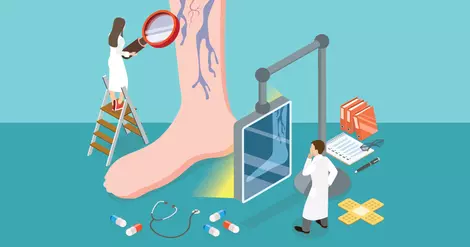
... Go to the emergency room if you have: Sudden swelling in one leg Sharp leg pain or tenderness, especially behind your knee or in your calf Warm or discolored skin on one leg Shortness of breath or chest pain People with diabetes are at higher risk for blood clots due to injury to the walls of blood vessels caused by chronically high blood sugar.Chronic ...
Veins More Visible With Diabetes? When To Worry
... Go to the emergency room if you have: Sudden swelling in one leg Sharp leg pain or tenderness, especially behind your knee or in your calf Warm or discolored skin on one leg Shortness of breath or chest pain People with diabetes are at higher risk for blood clots due to injury to the walls of blood vessels caused by chronically high blood sugar.Chronic ...
... Normally, your kidneys help filter out ketones and excrete them in your urine. However, in DKA, your body is making ketones faster than your kidneys can clear them. Your body tries to compensate by having you breathe out carbon dioxide and ketones through your lungs, which can lead to Kussmaul breathing, a form of rapid or labored breathing. ...
Hypoglycemia vs. Hyperglycemia: 5 Not-So-Obvious Differences
... Normally, your kidneys help filter out ketones and excrete them in your urine. However, in DKA, your body is making ketones faster than your kidneys can clear them. Your body tries to compensate by having you breathe out carbon dioxide and ketones through your lungs, which can lead to Kussmaul breathing, a form of rapid or labored breathing. ...
... Fatigue Thirst Confusion Headache Dry mouth Dizziness, lightheadedness, or weakness Dry cough Dark-colored urine (without being on a medication, supplement, or having a health condition responsible for this change) Muscle cramps Chills or intolerance to heat Low blood pressure with a high heart rate Appetite loss (but you may still crave sugar) Constipation ...
Does Water Raise Blood Sugar? Hydration Tips for People With Diabetes
... Fatigue Thirst Confusion Headache Dry mouth Dizziness, lightheadedness, or weakness Dry cough Dark-colored urine (without being on a medication, supplement, or having a health condition responsible for this change) Muscle cramps Chills or intolerance to heat Low blood pressure with a high heart rate Appetite loss (but you may still crave sugar) Constipation ...








 Join
Join