
Powered By



 Continue with Facebook
Continue with your email
Continue with Facebook
Continue with your email
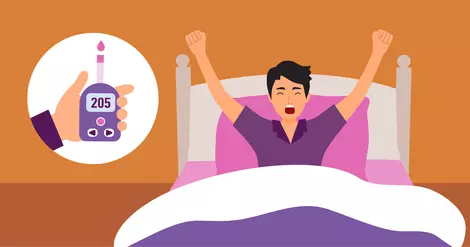
Tracking blood glucose (blood sugar) levels is an important part of managing diabetes. There are several devices, such as Accu-Check and FreeStyle, and even smartwatches, that can show your glucose level. Sometimes you might get a falsely high blood glucose reading that doesn’t match how you’re feeling. There are plenty of reasons besides diabetes that can cause falsely high blood sugar readings. Many of these factors are unrelated to your actual blood glucose levels.
Below are 10 possible reasons for a false reading, along with tips to ensure your results are accurate.
Sign up to view the results!
Continue with Facebook
Continue with your email
One of the most common causes of a false high blood glucose test is residue left on your fingers. If you’ve recently eaten or touched anything with sugar (like fruit, drinks, or even lotions), it can affect your blood sugar reading. Even a small amount of sugar left on your hands can mix with your blood when you prick your finger for a blood sample. This can skew the results, leading to a falsely high reading.

To avoid this, always wash your hands with soap and water before testing. Be sure your hands are completely dry, as even water can dilute the blood and affect your results. If you can’t wash your hands, you can use an alcohol wipe, but make sure your finger is dry before you test. Cleaning your hands properly will give you a more accurate reading.
Test strips are key to getting an accurate blood glucose reading. If your test strips are expired or contaminated, they can give you false results. Test strips are sensitive to light, temperature, and humidity, so storing them improperly can lead to inaccurate readings.
It’s important to store your test strips in a cool, dry place, away from direct sunlight and moisture, to make sure they’re accurate. Additionally, always check the expiration date on the test strip vial before using them. Expired strips may not function properly and can lead to a false high blood sugar reading. Always use a new strip for each test, and avoid touching the part of the strip that contacts your blood.
Both your blood glucose meter and your test strips are sensitive to extreme temperatures. Whether it’s too hot or too cold, temperature extremes can cause your equipment to malfunction, giving you false high blood sugar readings. For example, leaving your meter or test strips in the car on a hot day or storing them in a cold place can lead to errors.
To prevent this, always store your testing supplies at room temperature. Keep them away from direct sunlight, freezing temperatures, and excessive heat. If you think your equipment has been exposed to extreme conditions, recheck your blood glucose levels with a different set of test strips or a different meter to confirm your results.
A low battery in your blood glucose meter can also cause false high blood sugar readings. When the battery is running low, the meter may not function properly, yielding inaccurate results for your blood sugar test.
To get accurate readings, it’s essential to check your meter’s battery regularly and follow the meter manufacturer’s instructions. If the results don’t match your expectations, it can be helpful to use a control solution to verify accuracy. The control solution is usually a gold strip that you can temporarily insert into the meter to confirm accuracy.
Some meters have indicators that warn you when the battery is low. Keeping extra batteries on hand ensures you’re always prepared. If the device fails an accuracy test, it may be time to replace the unit. Some manufacturers also provide guidance on when it’s best to replace the device.
Have you ever tested your blood glucose levels twice in a row and gotten different results? This happens more often than you might think. While it’s generally not a cause for concern, it can happen for a few reasons. Differences in the size of the drop of blood or which fingertip you use can lead to slightly different readings.
For instance, when using a small blood sample, the glucose concentration might not be fully accurate, causing slight differences between tests. To minimize these differences, use the same fingertip and make sure you have enough blood for each sample. Always follow your blood glucose meter’s instructions to ensure consistent test results.
Stress, both physical and emotional, can cause your blood glucose levels to rise unexpectedly. When you’re stressed, your body releases hormones like cortisol and adrenaline, which can cause high blood sugar levels. Illness or infection can have a similar effect, as your immune system kicks into gear, raising glucose levels in the process.
If you’re feeling stressed or sick and notice higher readings than usual, this could be the cause. It’s important to keep monitoring your blood glucose levels during these times and consult your doctor if the readings stay high for an extended period. Understanding how stress and illness can affect your blood sugar can help you stay on top of your diabetes management.
High doses of vitamin C can affect certain blood glucose meters, leading to falsely elevated blood glucose readings. This reaction may depend on which device you’re using. Some meters, such as certain FreeStyle Libre models, can give a falsely high reading with high-dose vitamin C.
If you take vitamin C supplements or are on a high-dose vitamin C regimen, talk to your doctor about how this might impact your readings. Your healthcare provider can help you find a meter that isn’t affected by vitamin C or suggest changes to your testing routine. You can also check your meter’s specifications to see which substances may interfere with your readings.
Squeezing your finger too hard to get a drop of blood can mix the blood with fluids from surrounding tissues. This can lead to a false blood sugar reading. Typically, though, this will actually cause a falsely low reading. This tends to happen especially if you’re struggling to get enough blood for the fingerstick.
Instead, it’s best to let your blood flow naturally. If needed, try warming your hands under warm water or gently massaging your finger before pricking it to get your blood sample. This can help improve blood flow and give you a better sample.
Some medications can cause your blood glucose levels to rise, even if you keep a consistent diet and exercise routine. Medications that can increase blood glucose include:
These medications can affect how your body produces or uses insulin, leading to high blood sugar readings. It’s always best to check with your doctor or pharmacist when starting a new medication. If you’ve already started a new medication and notice unusual fluctuations in your blood glucose levels, talk to your doctor. You may need to adjust your diabetes care plan.
What and when you eat play a significant role in your blood glucose levels. Testing too soon after a meal, especially one high in carbohydrates, can show high blood glucose readings. This is because carbohydrates are broken down into glucose quickly, which raises your blood glucose shortly after eating.
It’s best to test one to two hours after starting a meal, as recommended by the American Diabetes Association. This gives your body time to process the food, giving a more accurate picture of how your body is managing glucose. If you test sooner, you will naturally see a higher value, as your body is breaking down the food and moving it through your bloodstream as glucose.
If you’ve noticed that your blood glucose reading changes depending on which hand you use, don’t worry — this is normal. The difference is usually due to blood flow. One hand, especially your dominant one, may have better circulation than the other, leading to a slightly different blood sugar reading.
On DiabetesTeam, people share their experiences with diabetes, get advice, and find support from others who understand.
Are you living with diabetes and learning how best to manage your blood sugar levels? Let others know in the comments below.
Get updates directly to your inbox.


Is Glucose Pro Recommended For Assisting With Lowering Blood Sugar Level?

 Continue with Facebook
Continue with your email
Continue with Facebook
Continue with your email
Become a member to get even more





 Join
Join



This is a member-feature!
Sign up for free to view article comments.
We'd love to hear from you! Please share your name and email to post and read comments.
You'll also get the latest articles directly to your inbox.