Same for ME ! Also we all my need this reminder, Usually the Gluc/Sugar is higher with any Kind of Infection ! So when we are sick or have a infection we Probably need to be taking a Gluc/ Sugar reading More than usual ! AS always check with your Dr First (if you can get a Dr on Phone Which is Impossible for Me )
6 days ago
@A DiabetesTeam Member
Mine does too. I usually check before bedtime. If it is a little low I eat a protein snack
Mentioned Users
 A Diabete...
6 days ago
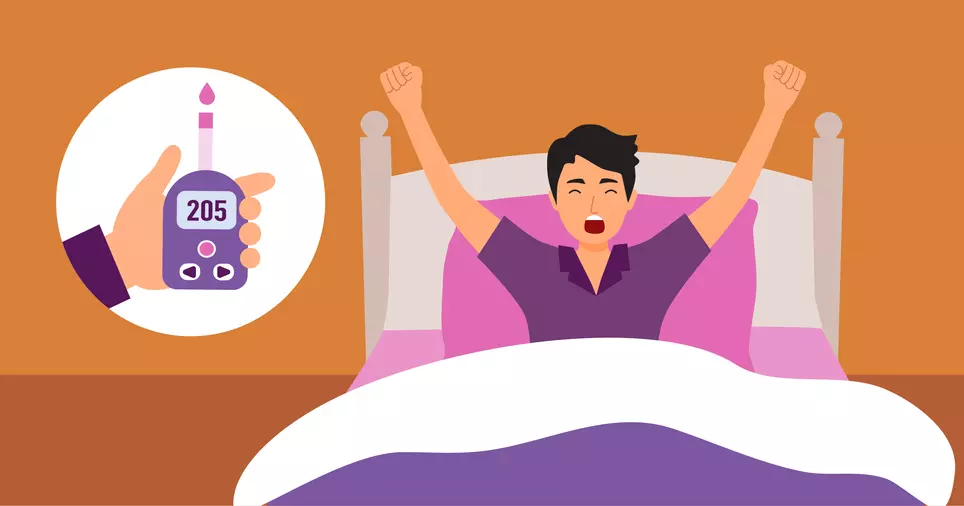
Mine is always high when I wake up. After I eat and check it two or three hrs later it is lower. I can eat the same exact thing and it will be different when I get up .
6 days ago
Mine go low from time to time i.e 3 in the middle of the night!
6 days ago
Blood sugar fluctuations throughout the day are really common with diabetes, and many DiabetesTeam members can relate. As one DiabetesTeam member shared, "What doesn't cause a rise in my blood numbers one day, maybe will the next." You're definitely not alone in this!
Here are some practical steps that may help stabilize Show Full Answer
Blood sugar fluctuations throughout the day are really common with diabetes, and many DiabetesTeam members can relate. As one DiabetesTeam member shared, "What doesn't cause a rise in my blood numbers one day, maybe will the next." You're definitely not alone in this!
Here are some practical steps that may help stabilize your levels:
- Track your readings — Check your blood sugar before and 1–2 hours after meals to spot patterns. A continuous glucose monitor (CGM) can make this easier.
- Mind your meals — Choose lower-carb, low glycemic foods like whole grains, and try eating smaller portions, especially in the evening.
- Move your body — A short walk after meals can help bring glucose back into range.
- Manage stress — Stress hormones like cortisol can unexpectedly raise blood sugar, so relaxation strategies matter too.
- Review your medications — Timing and dosage of insulin or other diabetes medications can make a big difference. The most important step is to bring your blood sugar logs or CGM reports to your doctor. They can help identify why your levels are swinging and adjust your treatment plan — whether that's tweaking medication doses, meal timing, or activity levels. Small changes over time can really add up!
6 days ago






 Join






 Your Privacy Choices