A diabetes meal plan is a guide that helps manage blood sugar levels through mindful food choices, portion sizes, and meal timing. There's no single "one-size-fits-all" plan — it's really about finding what works best for your body and lifestyle.
One popular approach is the Diabetes Plate Method, which uses a 9-inch plate Show Full Answer
A diabetes meal plan is a guide that helps manage blood sugar levels through mindful food choices, portion sizes, and meal timing. There's no single "one-size-fits-all" plan — it's really about finding what works best for your body and lifestyle.
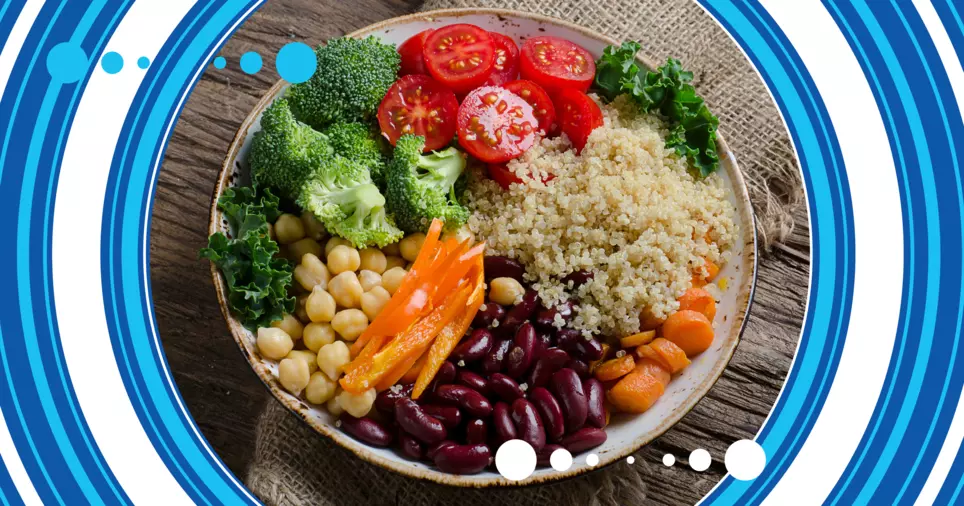
One popular approach is the Diabetes Plate Method, which uses a 9-inch plate divided like this:
- ½ plate — nonstarchy vegetables (broccoli, spinach, peppers, etc.)
- ¼ plate — lean protein (chicken, fish, tofu, beans)
- ¼ plate — healthy carbohydrates (whole grains, legumes, starchy vegetables) Some general healthy eating habits that support diabetes management include:
- Choosing high-fiber foods like whole grains, fruits, vegetables, nuts, and seeds
- Limiting simple carbohydrates such as white bread, sugary drinks, and white rice
- Including lean protein at every meal to help keep blood sugar stable between meals
- Drinking water when hunger strikes — thirst is often mistaken for hunger
- Snacking smart with options like veggies and hummus or fruit with peanut butter
A DiabetesTeam member shared a helpful tip: "The less processed a food is, the better it is for you." Working with a registered dietitian is a great way to build a personalized meal plan. They can help tailor food choices to your specific needs, whether that's carb counting, intermittent fasting (with medical supervision), or plant-based eating.
Always check in with your diabetes care team before making major dietary changes!
May 19







 Join
Join






 Your Privacy Choices