What is causing your morning highs?
The dawn phenomenon is a common reason for high morning blood sugar, affecting about half of people with diabetes. Between 3 a.m. and 8 a.m., your body naturally releases hormones like cortisol to help you wake up. These hormones signal your liver to make glucose for energy.
For people Show Full Answer
What is causing your morning highs?
The dawn phenomenon is a common reason for high morning blood sugar, affecting about half of people with diabetes. Between 3 a.m. and 8 a.m., your body naturally releases hormones like cortisol to help you wake up. These hormones signal your liver to make glucose for energy.
For people with diabetes, the body may not produce enough insulin to balance out this extra glucose, leading to those frustrating morning highs. Should you increase your Lantus dose?
It's not always that simple. Simply increasing your long-acting insulin like Lantus can sometimes cause your blood sugar to drop too low in the middle of the night—before the dawn phenomenon even starts. This can actually make things worse.
Your doctor might recommend an insulin pump instead, which can deliver extra insulin specifically when you need it in those early morning hours. Definitely talk with your healthcare provider before adjusting your dose. What can help naturally?
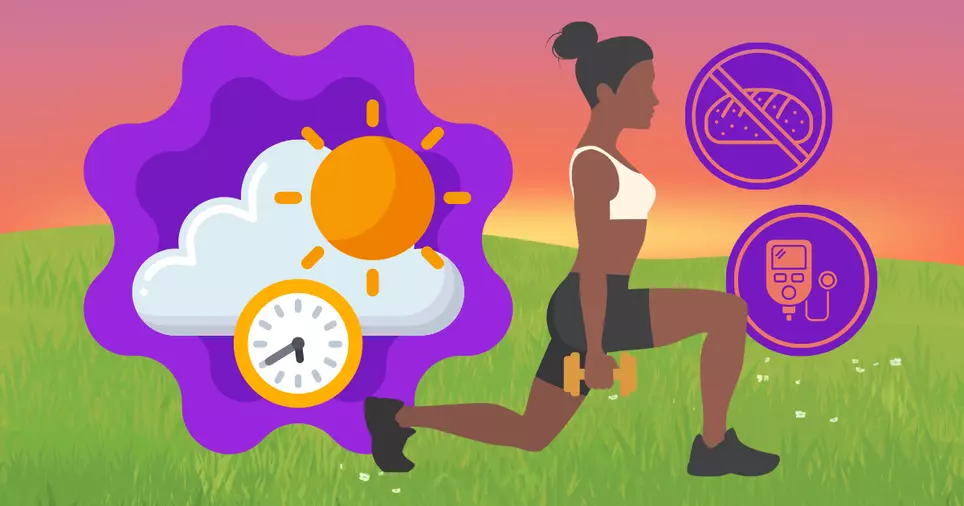
Here are some strategies that may help:
* Avoid carb-heavy dinners or bedtime snacks
* Don't skip breakfast—eating in the morning can help balance those hormone levels
* Try light exercise after dinner, like a walk
* Improve your sleep habits—getting more than 6.5 hours of quality sleep may help
Some DiabetesTeam members have also tried apple cider vinegar before bed, though evidence is limited. Always check with your doctor first, especially since it can interact with certain diabetes medications. Track your patterns
Consider using a continuous glucose monitor (CGM) or checking your blood sugar during the night. This helps confirm whether the dawn phenomenon is truly the cause and rules out other issues like nighttime lows that trigger a rebound high.
Work with your doctor to review your glucose data and adjust your treatment plan accordingly.
March 22






 Continue with Facebook
Continue with Email
Continue with Facebook
Continue with Email

 Join
Join






 Your Privacy Choices