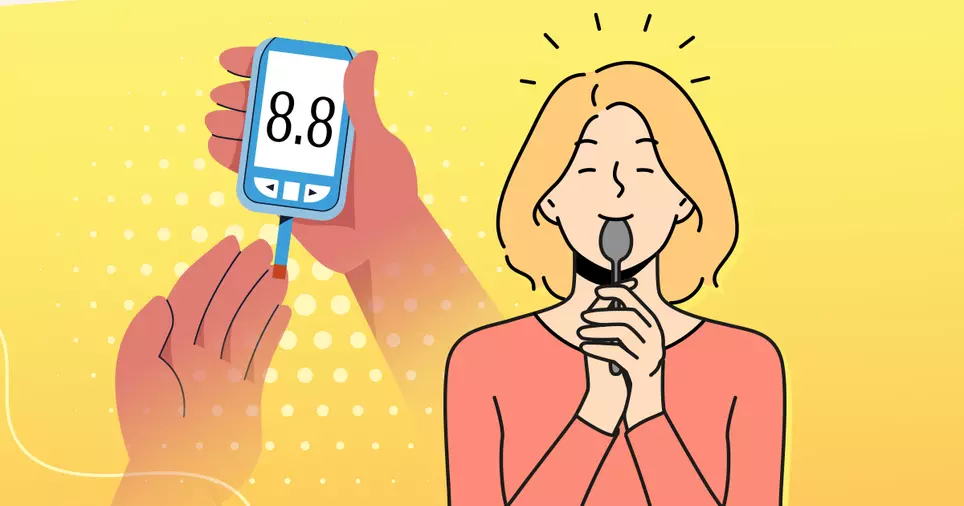
Why might your fasting blood sugar be at 6 mmol/L (108 mg/dL) despite eating low sugar, low carb, and walking 3 miles?
Several factors can affect your fasting blood sugar even when you're doing everything right:
The Dawn Phenomenon
Your blood sugar levels can naturally be higher in the morning when you wake up. This Show Full Answer
Why might your fasting blood sugar be at 6 mmol/L (108 mg/dL) despite eating low sugar, low carb, and walking 3 miles?
Several factors can affect your fasting blood sugar even when you're doing everything right:
The Dawn Phenomenon
Your blood sugar levels can naturally be higher in the morning when you wake up. This happens because your body releases certain hormones overnight that can raise blood sugar, even if you haven't eaten anything.
Timing of Exercise
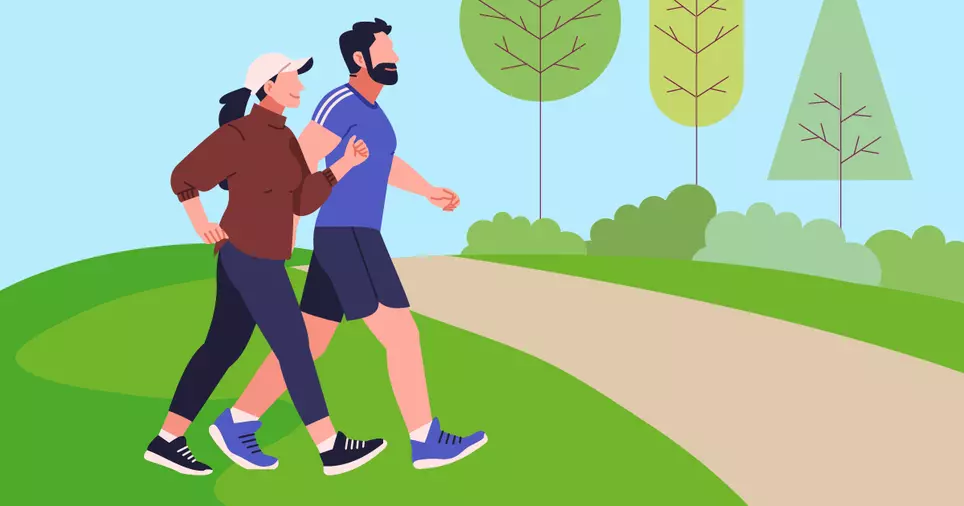
While walking 3 miles is excellent for blood sugar control, the timing matters. Walking in the evening after dinner may help minimize high morning blood sugar more effectively than walking earlier in the day. Physical activity can lower blood glucose for up to 24 hours, but the effect may vary.
Other Factors That Cause Fluctuations
Blood sugar levels can fluctuate for many reasons beyond diet and exercise, including:
* Stress levels
* Sleep quality
* Medication timing
* Your body's insulin sensitivity at different times of day
What You Can Do
Consider trying a morning walk of 30 minutes or more, which studies show can help reduce average fasting blood sugar levels. You might also try walking after your evening meal to help manage morning readings.
Remember, a fasting blood sugar of 6 mmol/L isn't dangerously high, but if it's consistently elevated despite your efforts, discuss it with your healthcare provider to adjust your management plan.
AI-generated responses are not a substitute for medical advice. These services are not intended to
diagnose, treat, or cure any condition or disease. Always ask your doctor about specific health concerns.

Can Walking Help Lower Blood Sugar in Diabetes?
December 22, 2025






 Continue with Facebook
Continue with Email
Continue with Facebook
Continue with Email

 Join
Join



 Your Privacy Choices