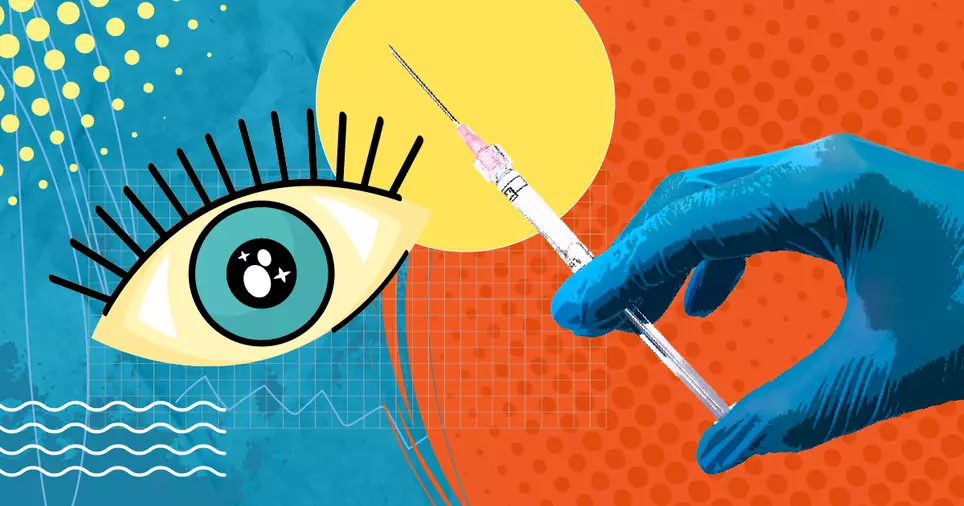
Eye injections are a treatment option for certain diabetes-related eye conditions. Here are some key points:
1. Conditions Treated
- Diabetic Retinopathy: Caused by prolonged high blood sugar levels, leading to blocked and leaking blood vessels in the eyes
- Diabetic Macular Edema (DME): Swelling in the retina due to Show Full Answer
Eye injections are a treatment option for certain diabetes-related eye conditions. Here are some key points:
1. Conditions Treated:
- Diabetic Retinopathy: Caused by prolonged high blood sugar levels, leading to blocked and leaking blood vessels in the eyes.
- Diabetic Macular Edema (DME): Swelling in the retina due to inflammation from high blood sugar.
2. Types of Injections:
- Anti-VEGF Medications: These limit the growth of abnormal blood vessels.
- Steroid Injections: Help control inflammation and reduce swelling.
3. Procedure:
- The eye is numbed using drops, gel, or a small injection to prevent pain.
- A very thin needle is used to deliver the medication into the vitreous (gel-like substance in the eye).
4. Effectiveness:
- Most people experience stabilization of vision, and about 30% see improvement.
- Vision stabilization or improvement may last for at least two years, but individual responses vary.
5. Patient Experiences:
- Some patients have been receiving injections for years and believe it has saved their vision.
- Regular eye exams are necessary to monitor for potential side effects like glaucoma or cataracts.
6. Recovery:
- Patients can usually return to normal activities shortly after the procedure.
For more detailed information, you can visit the resources provided by DiabetesTeam.
October 11, 2024







 Continue with Facebook
Continue with Email
Continue with Facebook
Continue with Email

 Join
Join




 Your Privacy Choices